
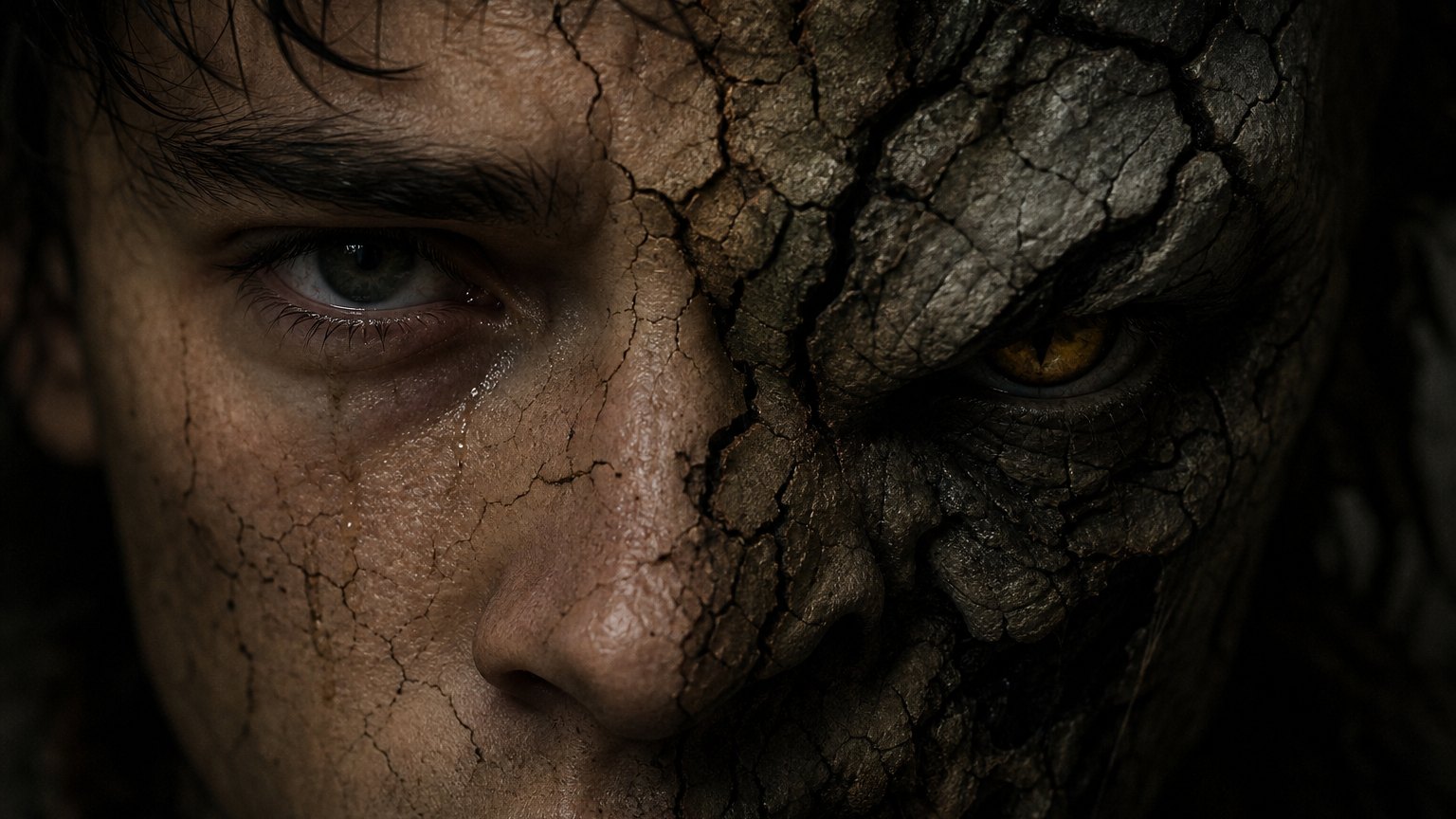
In the current landscape of blockbuster cinema, where tentpole franchises often stumble under the weight of their own corporate bloat, DC Studios is making a calculated pivot. Their upcoming film, Clayface, is being positioned not just as a comic book adaptation, but as a strategic counterweight to recent high-budget studio failures. By leveraging a lower production budget and riding the current commercial wave of the horror genre, the studio is betting on the visceral, unfiltered power of R-rated storytelling. It is a move that signals a willingness to embrace the macabre, a genre historically dominated by male gaze narratives, yet here, the lens shifts toward something far more intimate and terrifying.
The Body as a Battlefield
At the center of this descent is Tom Rhys Harries, who portrays a Hollywood actor whose life unravels into a revenge-fueled monstrosity. But to view this merely as a story of a man turning into mud is to miss the deeper cultural resonance. The narrative is described as a psychological and physical exploration of identity loss, toxic relationships, and the dangers of scientific hubris. For audiences, particularly women and survivors, body horror has long served as a metaphor for the violation of bodily autonomy. It is the physical manifestation of trauma that cannot be spoken, only endured.
Director James Watkins, marking DC Studios’ first official entry into the horror genre, understands this language. Alongside screenplay collaborators horror auteur Mike Flanagan and writer Hossein Amini, they have crafted a tale that feels less like a superhero origin and more like a gothic tragedy. The recent stills published by Entertainment Weekly emphasize the R-rated body horror elements, showing a protagonist losing his humanity piece by piece. This is not the gleaming, sanitized heroism of the Marvel Cinematic Universe; this is the gritty, uncomfortable reality of a self dissolving under pressure.
Withholding the Reveal
In a bold marketing choice, Watkins has confirmed that the complete, terrifying final form of the title character will remain unseen in all promotional materials. This secrecy is designed to preserve the theatrical experience, ensuring that the full visual reveal of the Clayface monster is reserved for the film's theatrical release on October 23, 2026. By withholding the monster, the studio forces the audience to focus on the *why* rather than just the *what*. It suggests that the true horror lies not in the shape-shifting slime, but in the toxic dynamics and personal destruction that precede it.
As we approach the Halloween season, a time when society collectively engages with its fears, Clayface offers a rare opportunity to see horror used as a tool for cultural criticism. It challenges the notion that genre films must be lightweight entertainment. Instead, it posits that the most effective horror is that which reflects our own societal fractures—our obsession with image, our susceptibility to toxic influence, and the fragility of the self. For survivors, the image of a person literally falling apart under the weight of their circumstances is not just scary; it is recognizable. It is a mirror held up to the destructive nature of unchecked ego and the pain of losing oneself in the eyes of others.


Comments (4)