
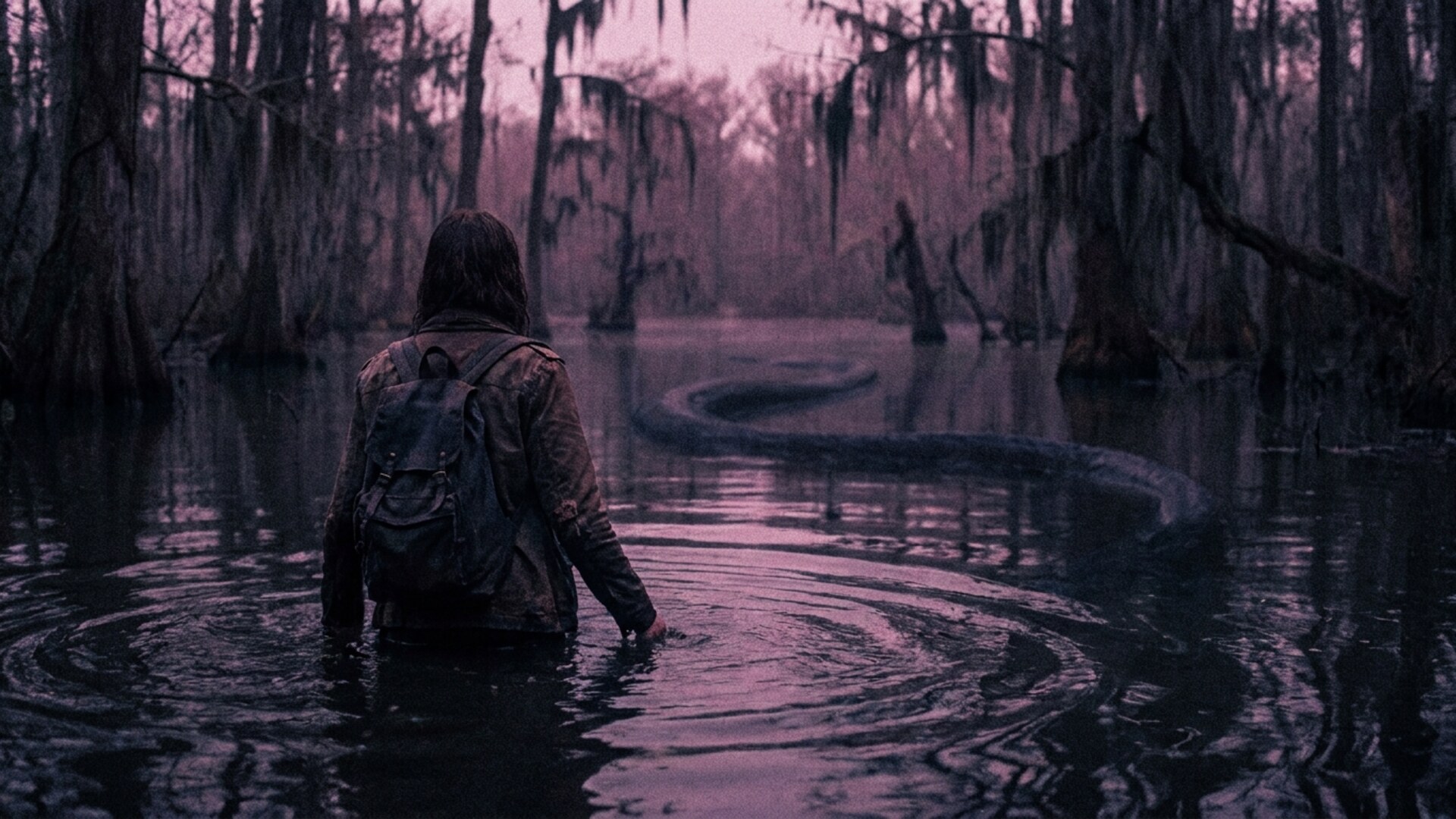
The horror genre has long fetishized female suffering, reducing women to screaming props in the background of male-centric narratives. When a woman survives, it is often framed as luck or chastity, never as sheer, unadulterated will. This is why the announcement that Julius Avery will direct the survival thriller Crush for 20th Century Studios feels like a seismic shift. Produced by Temple Hill Entertainment and 12:01 Films, this film strips away the supernatural crutches that often shield female protagonists, leaving them alone with the raw, terrifying reality of a massive python in the Everglades.
The Real-Time Terror of Female Isolation
What makes Crush compelling is not just the monster, but the narrative structure. John Fischer, writing under the pseudonym J.W. Archer, crafted a screenplay that originally circulated on The Black List, eventually sparking a competitive bidding war that 20th Century Studios won. The story is told in real-time, a device that forces the audience to endure every agonizing second of the protagonist’s entrapment. There are no jump scares to hide behind, no quick edits to distract from the visceral reality of being hunted. It is a narrative mirroring the isolation many women feel when navigating spaces that were not built for their safety.
Avery, known for his work on The Pope’s Exorcist and Overlord, brings a distinct visual language to the project. While he was previously linked to direct an alien abduction horror titled They Found Us for Temple Hill, this return to the creature feature genre feels different. Here, the threat is terrestrial, ancient, and grounded. The plot is inspired by true events, lending a chilling authenticity to the fiction. The protagonist is a female hiker alone in the Everglades, a setting that has historically been a place of mystery and danger for women who venture into its murky depths.
Survival as an Act of Defiance
Horror through the lens of survivors is not about gore; it is about the aftermath, the endurance, and the reclaiming of agency. In Crush, the snake is not a metaphor for male violence, though it can be read as such. It is simply a force of nature, indifferent to gender, yet the woman’s response to it becomes a testament to her humanity. Marty Bowen and Wyck Godfrey are producing for Temple Hill, while Scott Glassgold produces for 12:01 Films, assembling a team that understands the commercial and cultural weight of this story.
When we watch a woman fight for her life without the aid of a male savior or a supernatural intervention, we are watching a different kind of heroism. It is messy, desperate, and profoundly human. Crush promises to deliver a survival experience that respects the audience’s intelligence and the protagonist’s resilience. In a genre that often exploits female pain, this film aims to honor female survival. It is a reminder that while the world may try to constrain us, like the coils of a python, we possess an indomitable spirit that refuses to be crushed.

Comments (10)