
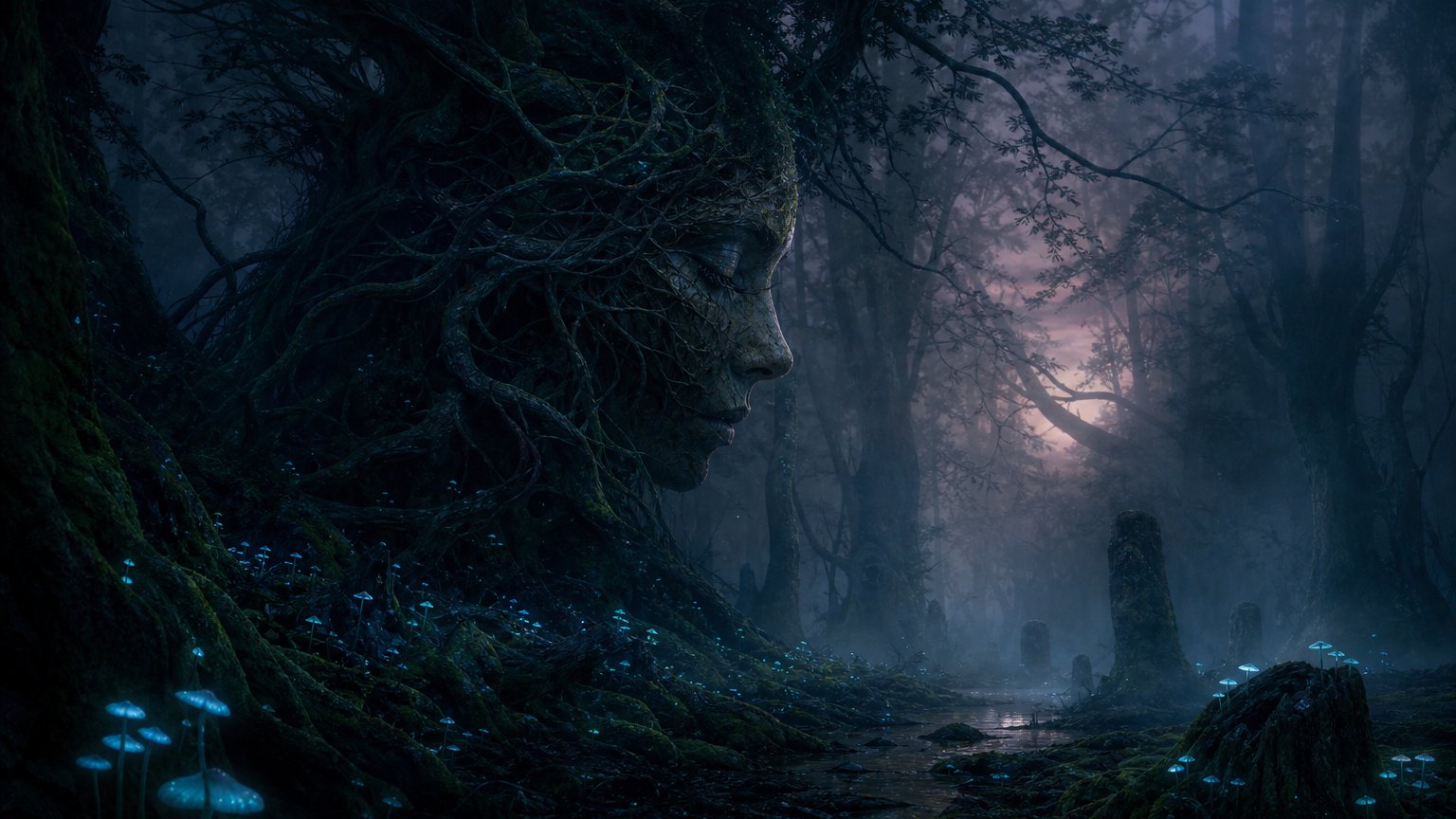
Folk horror has long been the playground of patriarchal dread, a genre where the landscape itself conspires to consume the women who dare to wander off the path. But look closer at the latest wave of submissions, and you will see a radical shift. The earth is no longer just hungry; it is listening. This isn't about scapegoating the girl for the sins of the coven; it is about the coven becoming the shield. We are witnessing a genre evolution where survival is not an individual act of luck, but a collective reclamation of power, and the monsters are finally the ones who brought the violence.
Rituals of Reclamation
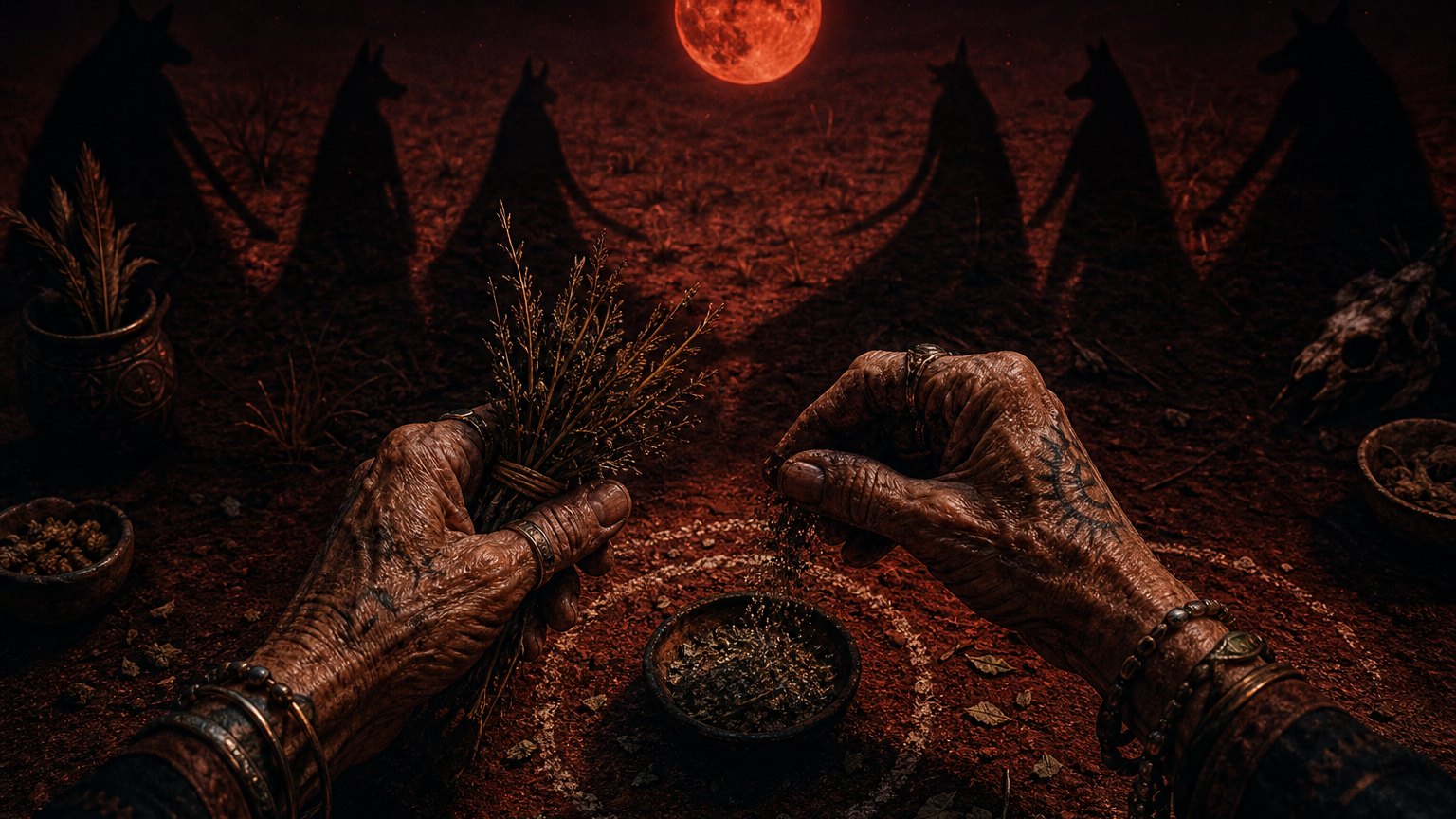
The new folklore demands we rethink the sacrifice. Where older tales offered the female body as currency to appease ancient forces, current narratives are flipping the script. The rituals depicted are no longer tools of oppression wielded by male directors or antagonists; they are mechanisms of healing and defense. The horror stems not from the supernatural, but from the systemic forces trying to silence the women who wield these old songs. The screen is becoming a space where ancestral knowledge is the ultimate weapon, and the monster is the encroachment of modern exploitation on sacred ground.
The Survivor's Gaze
What makes this shift so vital is the lens. We are moving past the final girl who survives by being the "best" of the women, the one who adheres to moral codes so she earns her reprieve. This new iteration rejects that hierarchy. The survivors here are messy, complex, and united by shared trauma rather than individual merit. The camera lingers on their grief, their rage, and their tenderness, refusing to sexualize their pain or reduce their fear to spectacle. This is horror that honors the complexity of women's experiences, offering not just a jump scare, but a mirror. It asks us to consider what happens when the victims stop running and start rewriting the story.
Writing the Next Chapter
For survivors, this cultural pivot is profound. It validates the idea that healing can be communal and that rage can be righteous. When horror centers women's perspectives without apology, it transforms from a genre of victimization into a genre of empowerment. We no longer watch women suffer for the entertainment of others; we watch them triumph through connection and ancestral strength. This is the future of the genre, and it is beautiful, terrifying, and absolutely necessary.
Comments (4)