
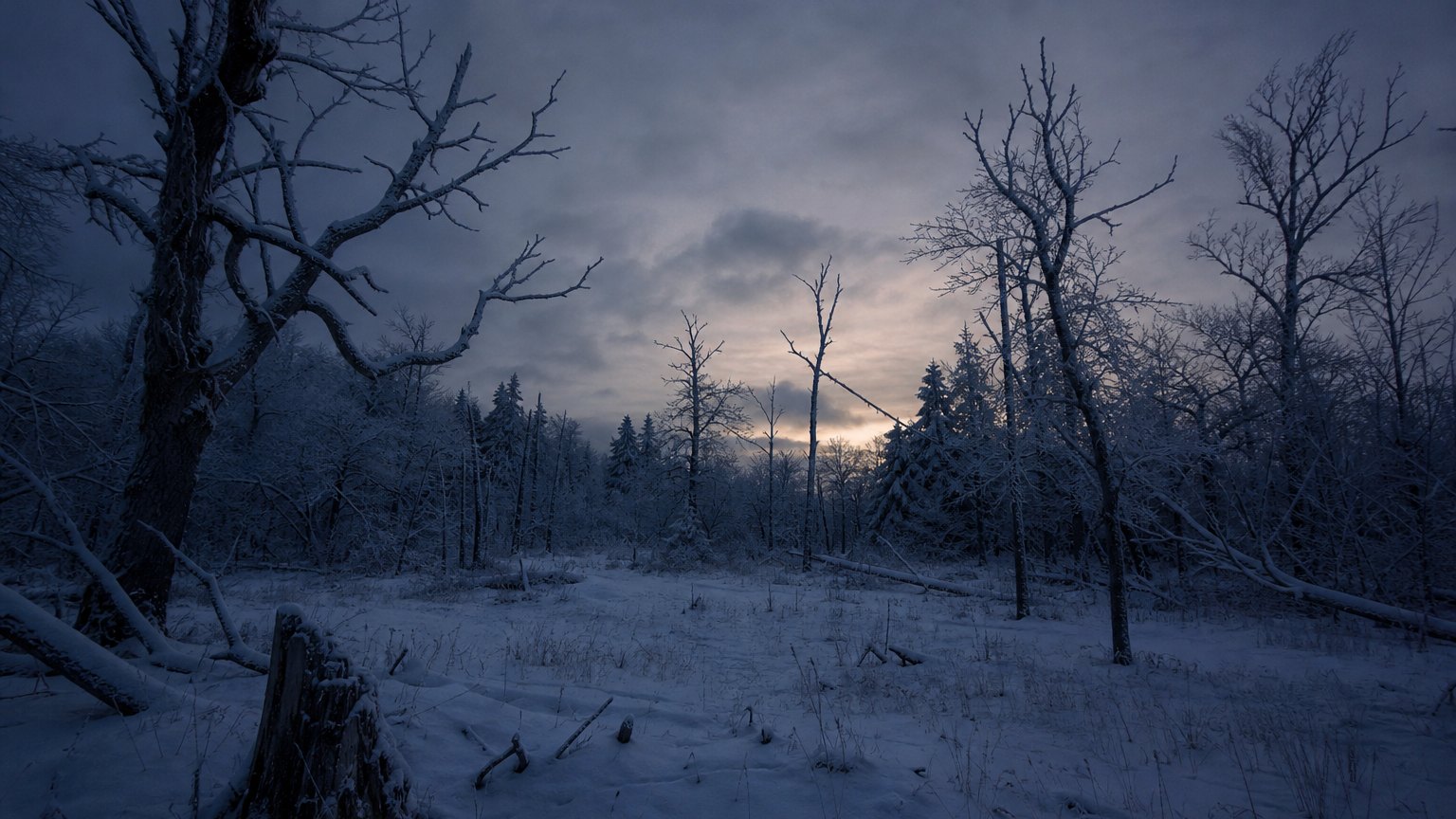
Paramount Pictures has just dropped the second official trailer for Heart of the Beast, and if you are expecting the usual post-apocalyptic action fest where men punch mountains until they submit, you might want to recalibrate your expectations. Scheduled for a theatrical release on September 25, 2026, this survival thriller starring Brad Pitt as James Belmont, a Special Forces officer, is less about conquest and more about the raw, trembling necessity of connection. Belmont survives a plane crash in the Alaskan wilderness alongside his military working dog, Odin, and the ensuing narrative is a brutal study in interdependence.
The Myth of the Lone Wolf
For decades, the horror and survival genres have been dominated by the myth of the lone survivor—the rugged individual who conquers nature through sheer force of will. David Ayer, known for gritty works like Suicide Squad and Fury, seems intent on dismantling this trope. By centering the plot on the duo’s struggle against harsh elements, the film shifts the focus from domination to collaboration. The screenplay by Cameron Alexander appears to recognize that true survival isn't about dominating the environment, but about adapting alongside another living being.
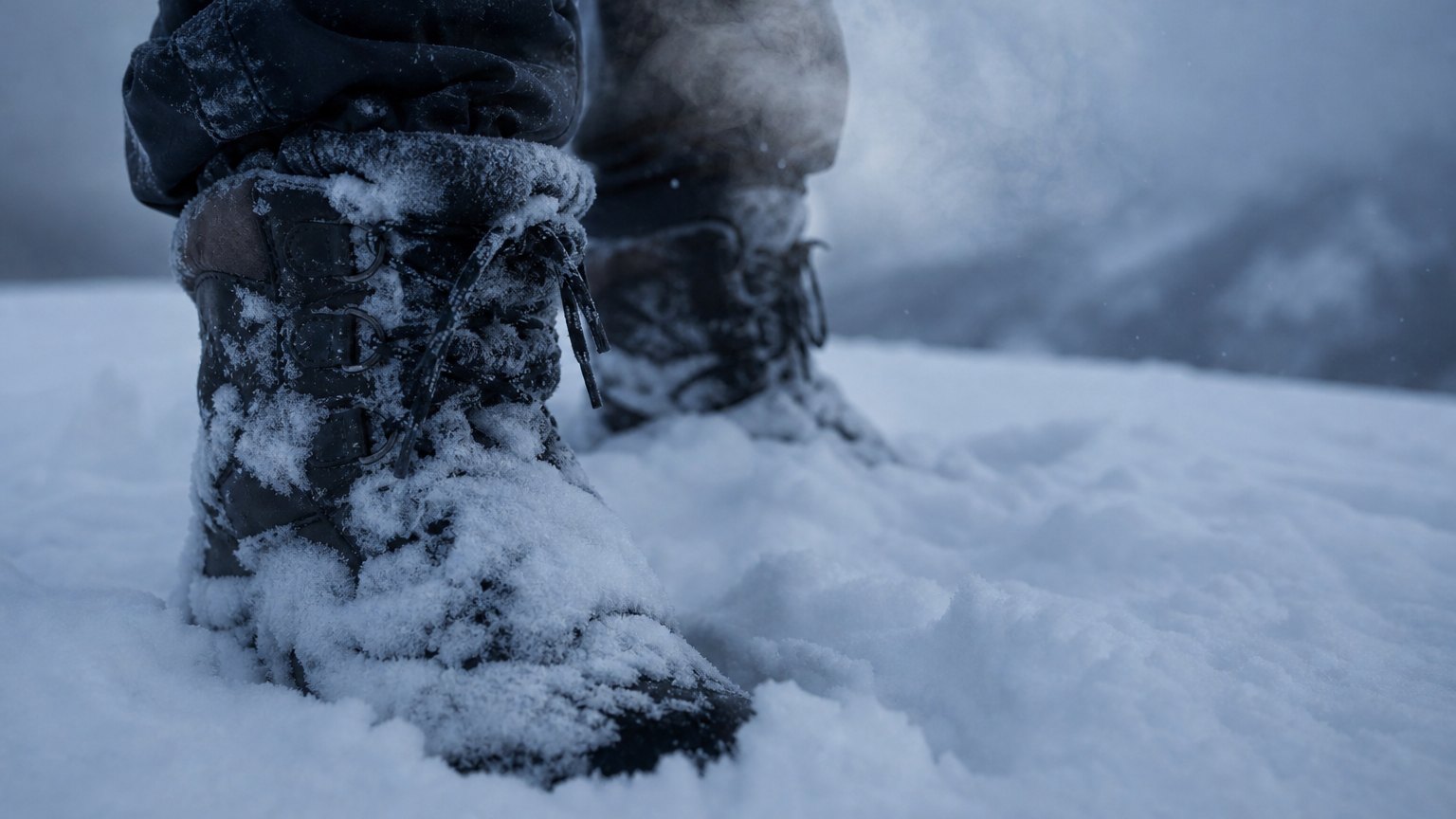
This shift matters. In a cultural landscape often saturated with narratives that isolate male protagonists in their trauma, Heart of the Beast offers a different kind of intimacy. It is not a romantic intimacy, but a primal, non-verbal bond. The presence of Odin is not merely a plot device for cuteness; it is a mirror. For survivors of isolation, whether physical or psychological, the idea of relying on a non-human companion to maintain humanity is a powerful, if understated, thematic anchor.
Cinematography as a Character
The visual language of the film promises to reflect this internal struggle. Academy Award-winning cinematographer Mauro Fiore, whose work on Avatar and Spider-Man: No Way Home defined digital realism, serves as the director of photography. His lens will likely frame the Alaskan wilderness not as a backdrop for heroism, but as an indifferent, terrifying entity. The cold is not an enemy to be defeated with a gun; it is a force that demands humility. With supporting roles filled by J.K. Simmons and Anna Lambe, the film suggests a broader ecosystem of survival, though the core remains the soldier and his dog.
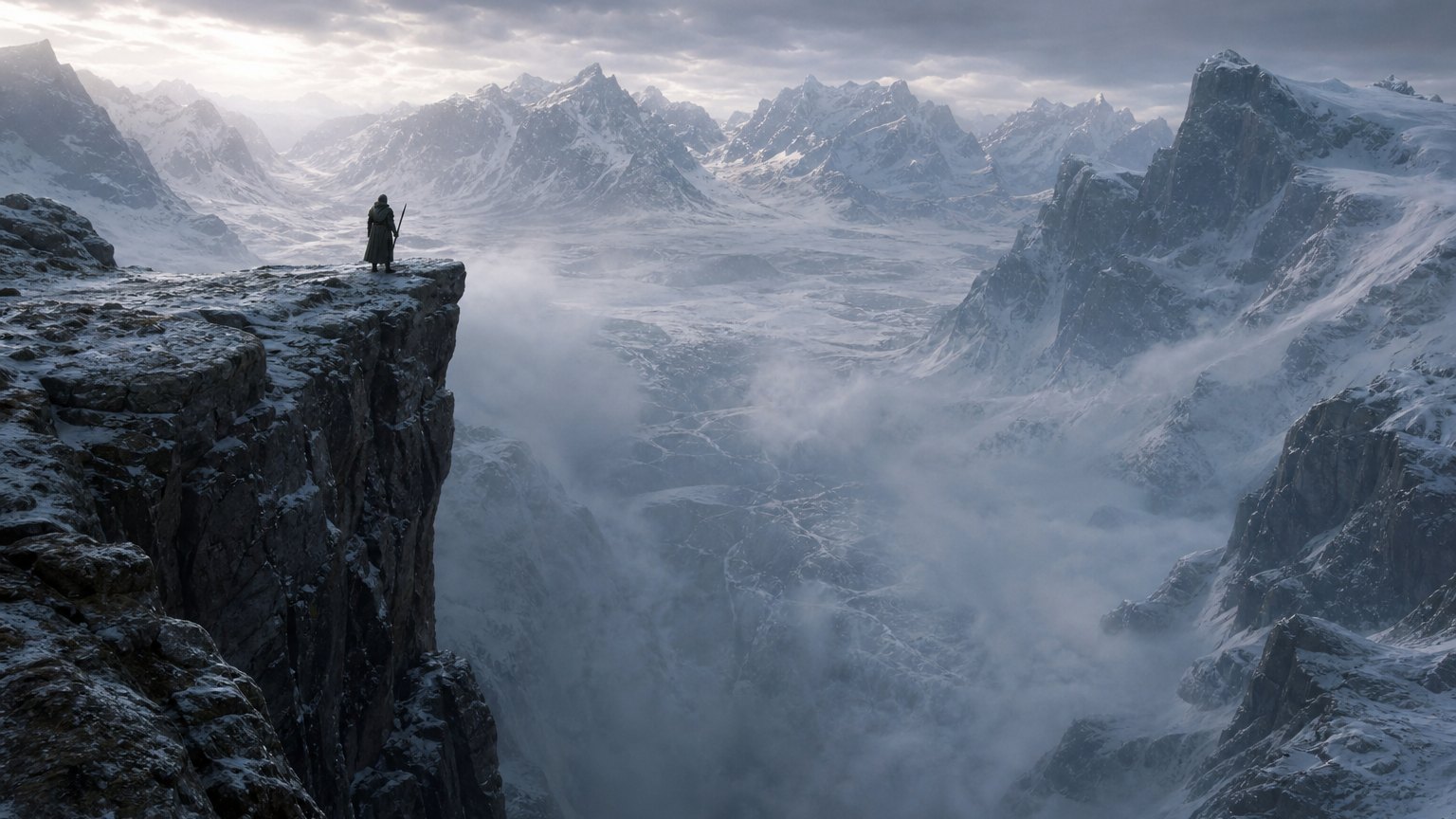
Ayer has confirmed that Odin survives the events of the movie, a detail that feels significant. In a genre where animal companions often die to motivate the male hero's revenge arc, keeping the dog alive subverts the sacrificial logic that so often plagues these narratives. It suggests that the bond itself is the victory, not the destruction of the threat. As we approach 2026, Heart of the Beast stands out as a potential pivot point. It asks us to consider that strength is not always loud, and that sometimes, the most radical act of survival is simply refusing to let go of the hand—or paw—that is holding on to you.


Comments (4)