
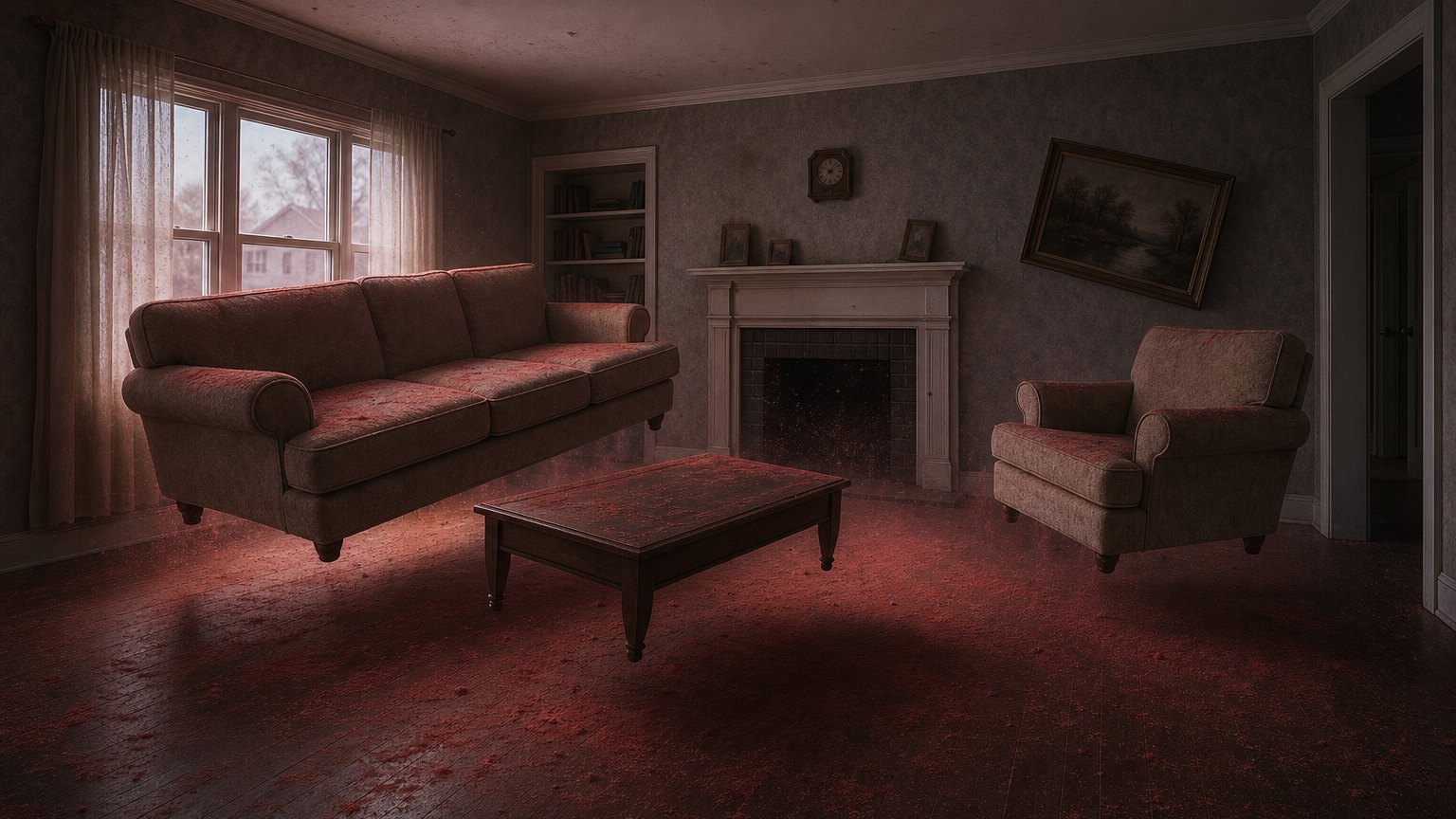
The sixth installment of the Insidious franchise, titled Insidious: Out of the Further, has officially been assigned a PG-13 rating by the Motion Picture Association. The rating cites strong violent content, bloody imagery, terror, and some strong language, a classification that maintains the series' rigid tradition, as all previous entries in the franchise have also received PG-13 ratings. This consistency suggests a studio that has long understood the demographic appetite for elevated terror that remains just within the bounds of mainstream accessibility.
The Architecture of Female Fear
Screen Gems is handling distribution for the film, which is set to hit theaters on August 21. But beyond the marketing machinery and the familiar rating label, the narrative core of this installment warrants a closer look through the lens of who is actually bearing the weight of the horror. The plot centers on Gemma, a mother who discovers she can physically bring entities from the paranormal realm known as The Further into the real world. This premise taps into a primal, culturally specific anxiety: the violation of the maternal sphere. When malevolent forces realize her power, they begin to exploit the real world as a hunting ground, turning the home and the community into a battlefield.
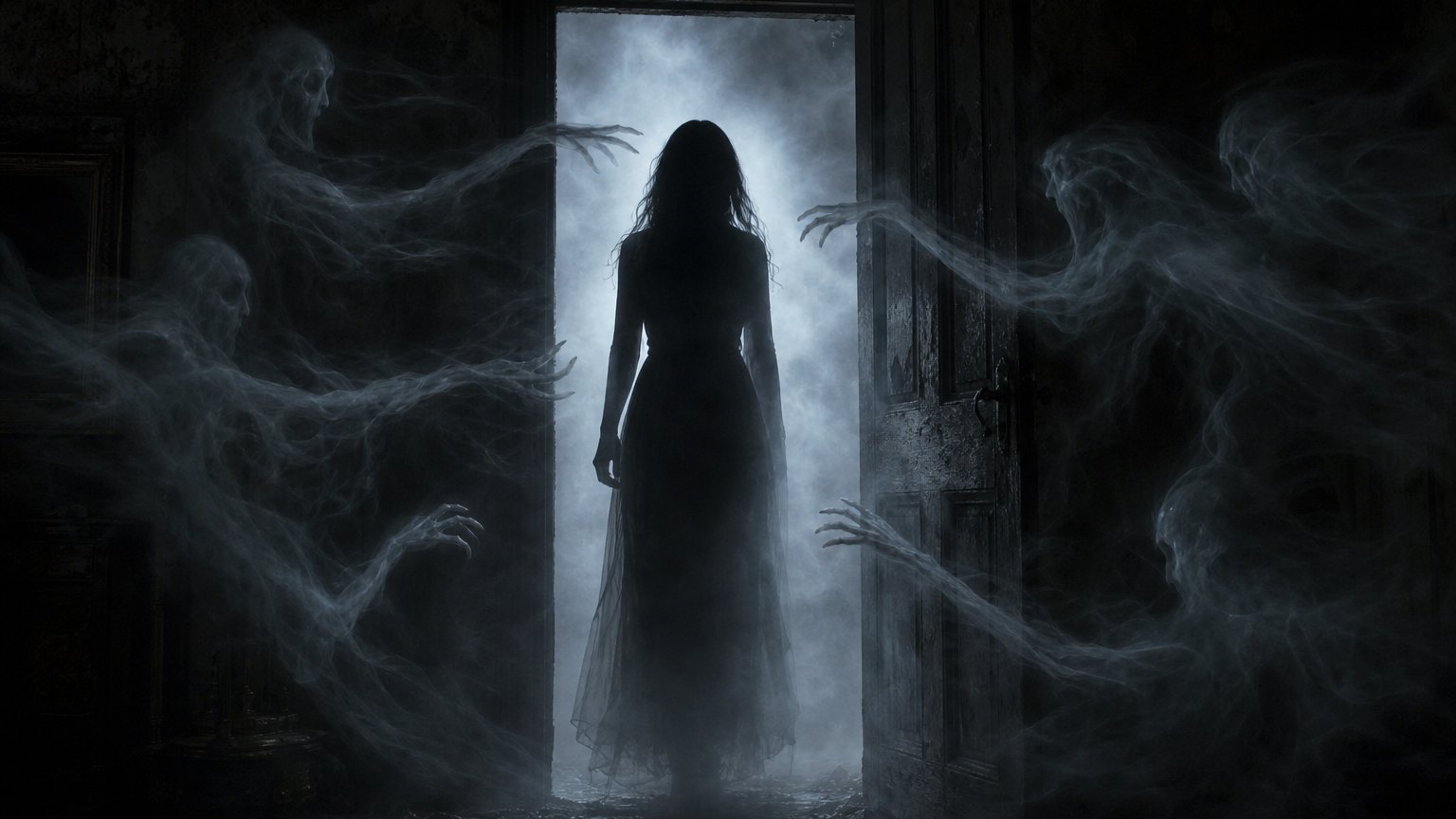
In horror history, the mother figure has often been positioned as the first line of defense or the ultimate victim. Here, Gemma is neither purely innocent nor entirely powerful; she is a conduit. Her ability to bridge the gap between worlds places the agency of survival squarely on her shoulders. It is a reflection of the survivor’s burden, where the emotional labor of navigating trauma and protecting others often falls disproportionately on women. The horror does not just come from the ghosts; it comes from the expectation that she must contain them.
A Legacy of Mediums and Monsters
The film retains a crucial anchor in its legacy by bringing back Lin Shaye as the psychic medium Elise Rainier. Shaye’s presence is not merely a fan service gesture; it represents the lineage of women who wield knowledge and spiritual awareness as tools for survival. She is joined by a cast including Amelia Eve, Brandon Perea, Island Austin, and Maisie Richardson-Sellers, who bring varied perspectives to the ensemble. Sam Spruell portrays the primary antagonist, a malevolent entity named Cyrus, embodying the externalized threat that seeks to consume the internal strength of the protagonists.
Directed by Jacob Chase, who co-wrote the story with David Leslie Johnson-McGoldrick, the film aims to balance spectacle with character. Production is led by heavyweights Jason Blum, Oren Peli, James Wan, and Leigh Whannell, with David Garbett serving as the director of photography. Executive producers include Johnson-McGoldrick, Ryan Turek, Steven Schneider, and Brian Kavanaugh-Jones. While the PG-13 rating ensures broad appeal, the thematic weight of a mother navigating a world where evil has found a new hunting ground suggests that this chapter will lean heavily into the psychological toll of protection. It is a reminder that in the final girl narrative, the fight is often less about defeating the monster and more about surviving the aftermath.

Comments (4)