The horror genre has long been a male-coded space, but Kaali Kheti is pushing back. Headlined by Jackie Shroff and Sharad Kelkar, this new rural horror film is not just another entry in a crowded subgenre—it’s a statement. With Neha Sargam also in the cast, the project feels like a deliberate move to center women’s experiences of fear in the rural landscape. An Indian release date has been announced, and the anticipation is already building.
The Rural Landscape as a Character
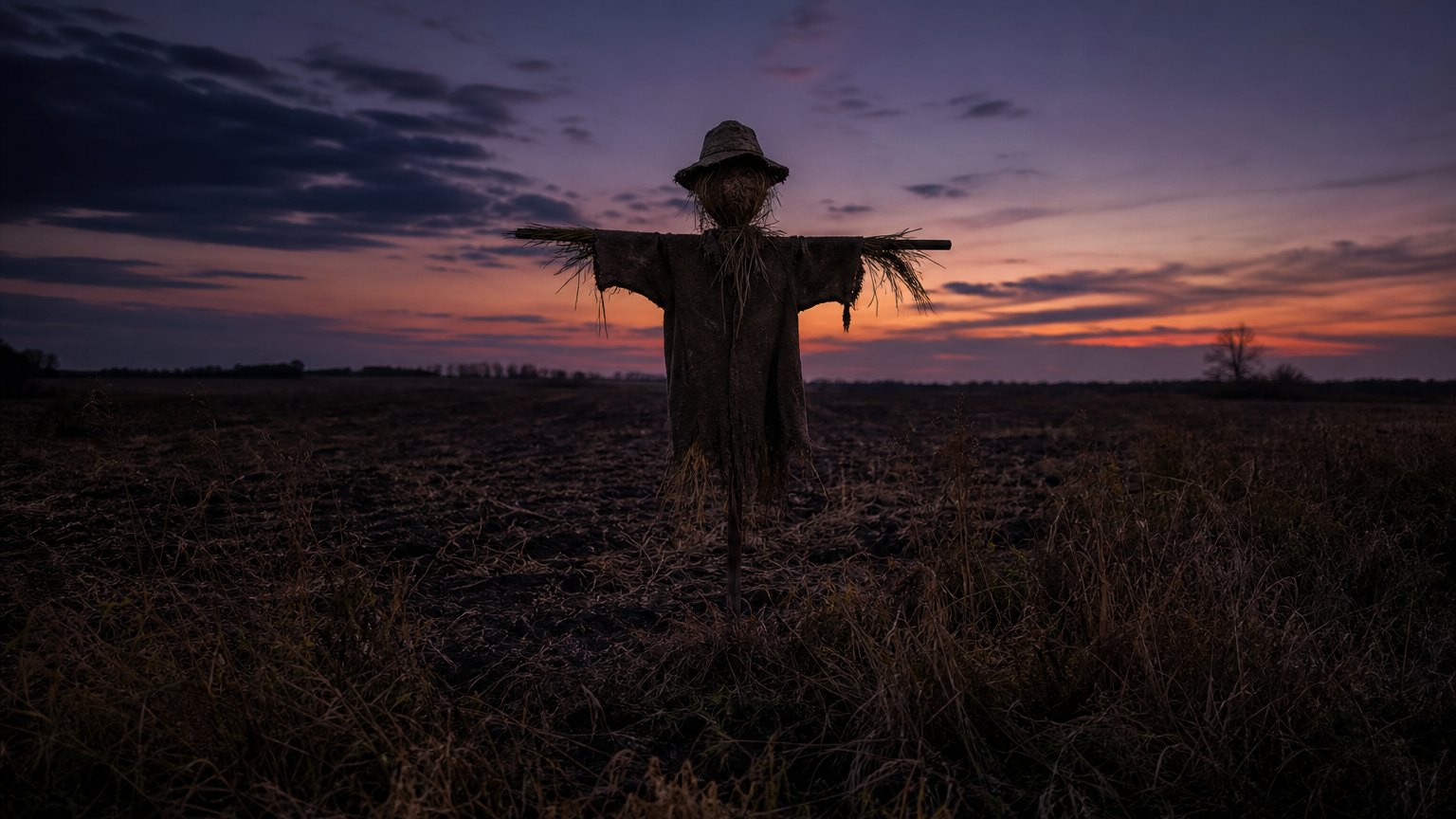
Rural horror has a distinct texture: the quiet terror of open fields, the isolation of small villages, and the way folklore and modern anxiety collide. Kaali Kheti taps into this tradition, suggesting that the countryside is not just a setting but an active force. The choice to feature Jackie Shroff and Sharad Kelkar as the leads signals a shift toward female-driven narratives in this space.
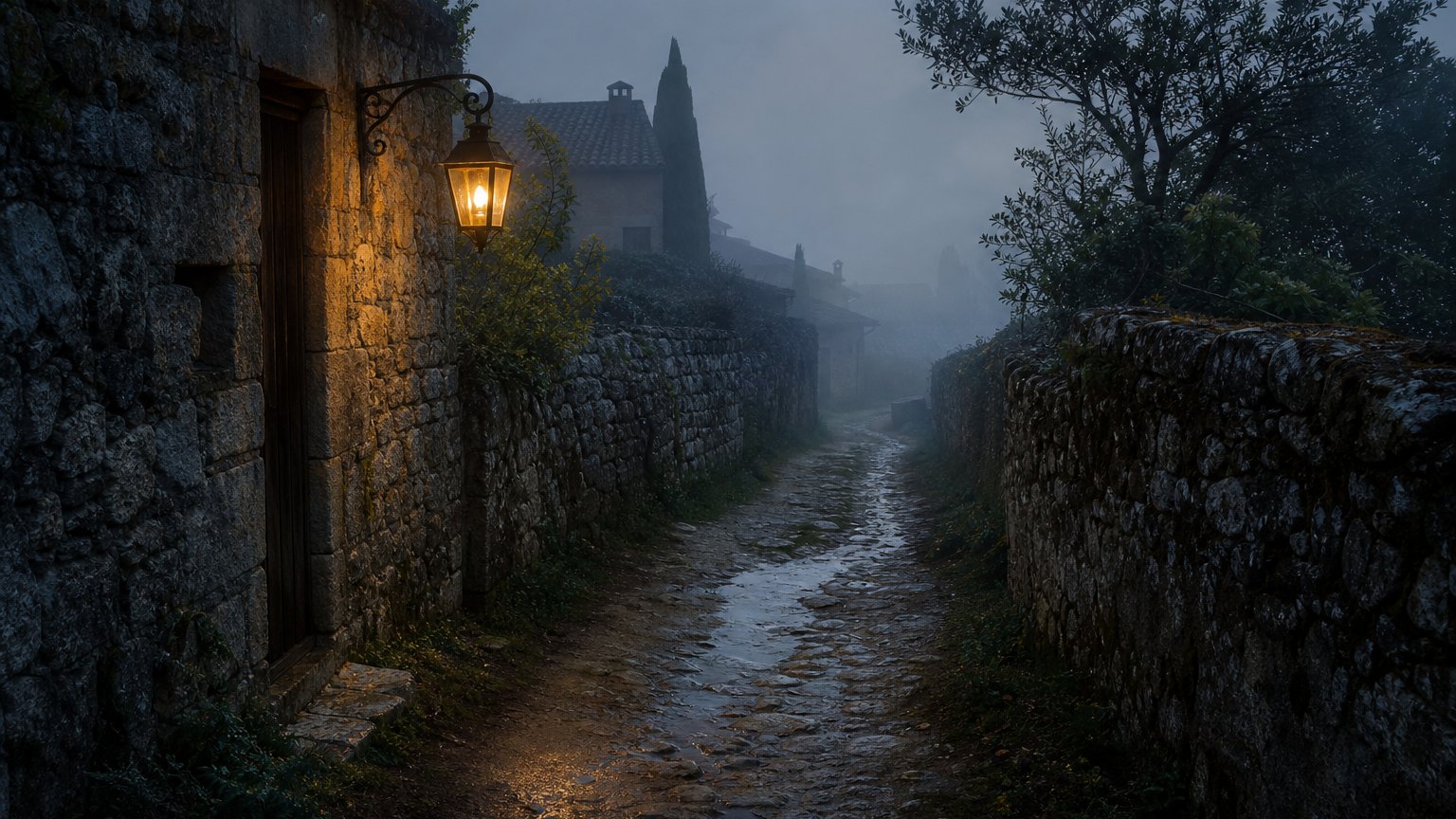
What makes this film stand out is its focus on the rural environment as a character in itself. The film is described as a rural horror film, which means the landscape is not just a backdrop but a source of dread. This is a smart move, especially as Indian horror increasingly explores the uncanny in non-urban settings. The inclusion of Neha Sargam in the cast adds depth to the ensemble, suggesting a story where women are not just victims but agents within the horror narrative.
Why This Matters Now
In a year where horror fans are hungry for fresh takes, Kaali Kheti offers a compelling blend of rural folklore and modern sensibility. The announced Indian release date confirms that the film is ready to enter the market, and the casting choices suggest a focus on strong female leads. For a genre that often sidelines women, this is a welcome turn.
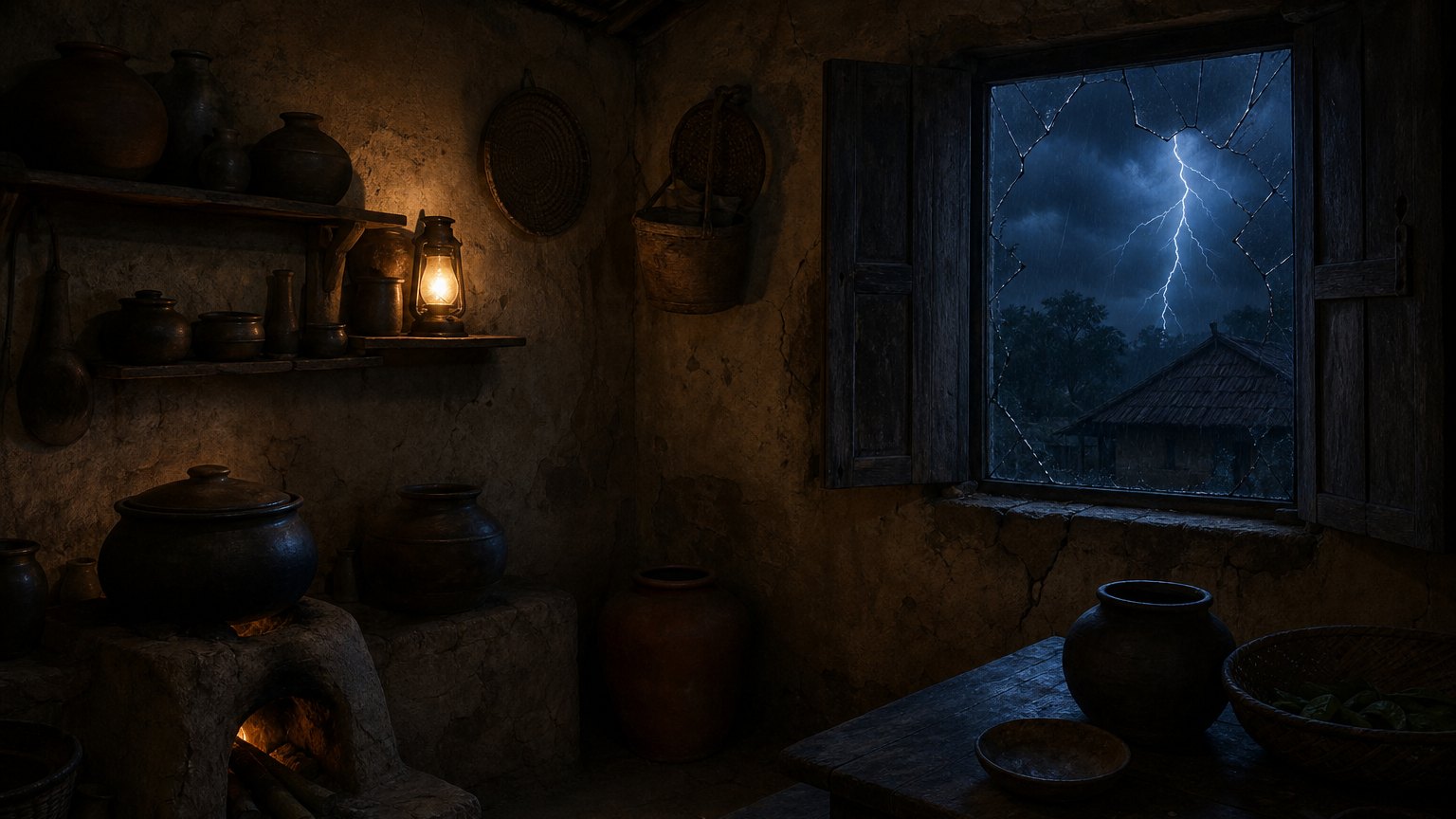
As the release date approaches, the film is positioned not just as entertainment but as cultural commentary on how fear is experienced and represented. The rural setting, combined with a female-led cast, makes Kaali Kheti a significant entry in the evolving landscape of Indian horror.
Comments (4)