There is a specific kind of terror that comes from being watched while you break. It is not the primal fear of teeth and claws, but the social death of exposure, the visceral panic of losing control in a space where you are supposed to perform perfection. When Orion Pictures announced on August 5, 2026, that it had acquired the rights to Kumail Nanjiani’s directorial debut, Howl, they didn’t just pick up a horror-comedy; they picked up a text about the suffocating weight of visibility. This is horror through the lens of the survivor who must navigate a world that watches their collapse with a mix of voyeurism and judgment.
The Monster is the Mirror
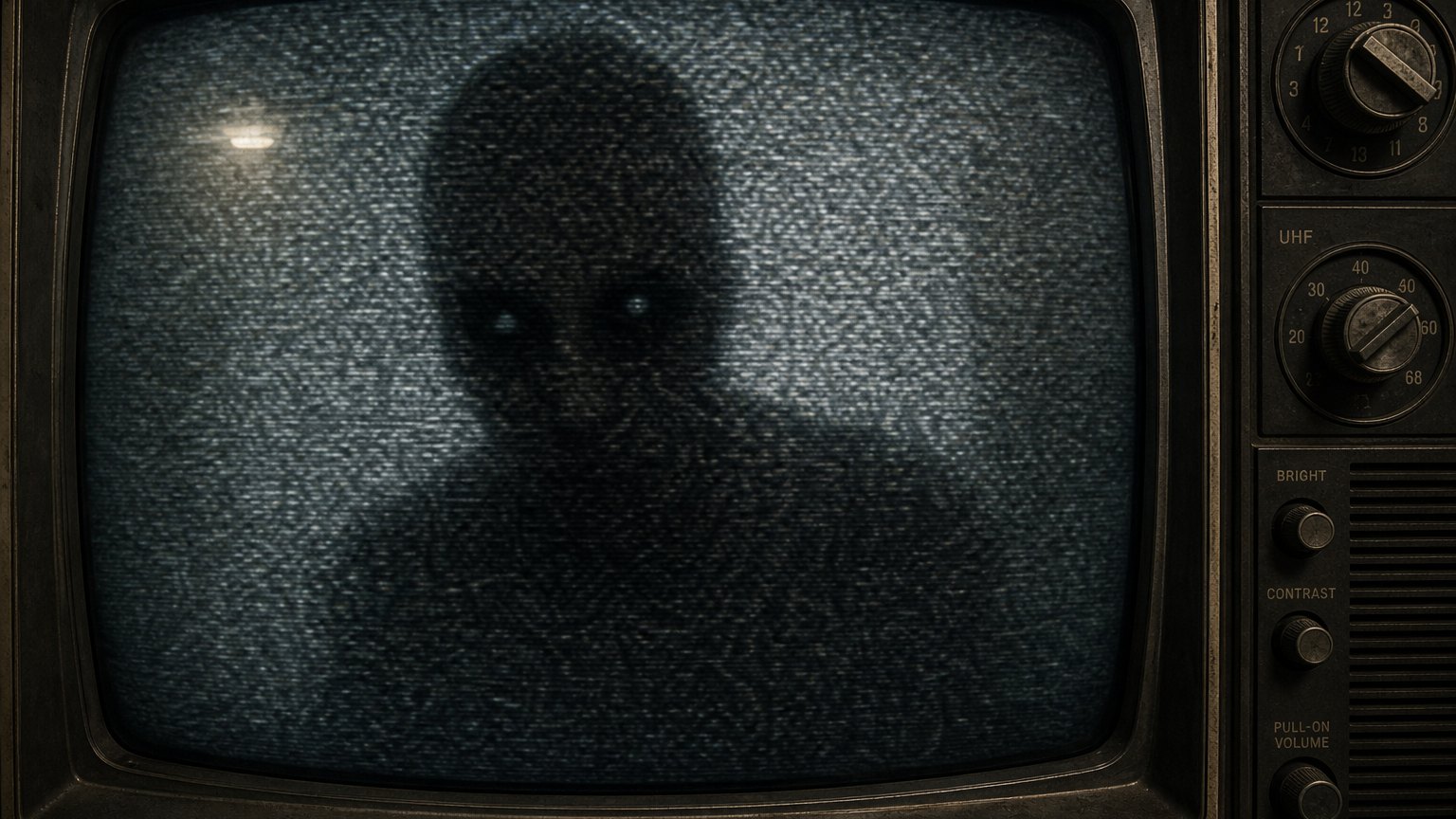
Nanjiani, who will also star in the lead role, steps into the director’s chair with a screenplay by Madison Vanderberg, a script that landed on the prestigious 2024 Black List of unproduced screenplays for good reason. The premise is deceptively simple yet profoundly unsettling: a well-known but unstable actor reveals during a live television interview that he is about to transform into a werewolf within the hour. In traditional genre fare, the werewolf is a metaphor for repressed rage or unchecked sexuality, often punished by castration or death. Here, the transformation is public, broadcast, and inescapable. It forces the audience to confront the actor not as a hero or a victim, but as a spectacle in real-time.
This narrative choice resonates deeply with contemporary discussions around mental health and the performative nature of public life. The horror lies in the lack of an exit. For survivors of trauma, there is often no private room to heal in; the trauma is lived out in the open, under the scrutiny of a society that prefers its pain aestheticized rather than understood. The live interview setting strips away the safety of the darkened theater, placing the protagonist in the blinding light of the camera lens. It is a bold artistic decision that challenges the viewer’s complicity. Are we here to help him, or are we here to watch him become something else?
Production with Purpose
Produced by Weed Road Pictures and Winter Coat Films under the Amazon MGM Studios banner, Howl carries the weight of major studio backing but retains the indie spirit of its origins. The acquisition signals a growing appetite for stories that complicate the monster mythos, moving away from simple jumpscares toward psychological realism. Nanjiani’s background in comedy allows him to navigate the tonal tightrope of horror-comedy with a delicate hand, ensuring that the humor serves the horror rather than undermining it.
As we approach this release, the conversation must remain centered on representation and the female gaze, even when the protagonist is male. Howl invites us to question who gets to be monstrous, who gets to be vulnerable, and who gets to survive the night. It is a reminder that the most terrifying transformations are not physical, but social. In watching the actor unravel, we see our own fears of exposure reflected back at us. This is not just a werewolf movie; it is a meditation on the cost of fame and the fragility of the self. Let’s hope the studio lets this story breathe, allowing the horror to linger long after the credits roll.
Comments (4)