
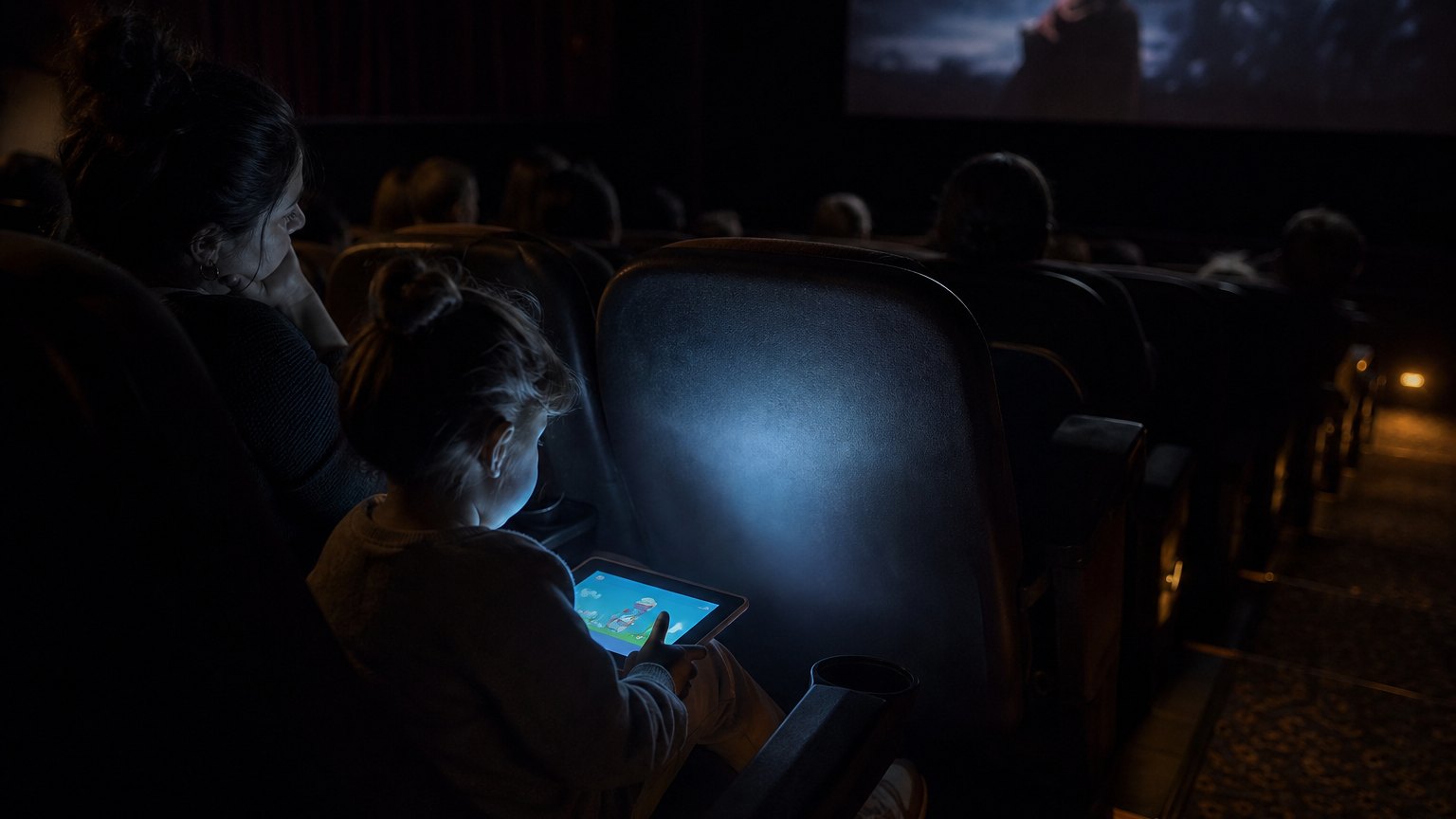
There is a specific kind of horror that doesn’t come from the screen, but from the seats around you. It’s the sound of a toddler screaming during a jump scare, or the dull thud of an iPad case hitting the seat back. On X, Laura Robinson, a PhD in New Testament from Duke University and creator of the Substack 'Not Peer Reviewed', has offered a sharp, slightly cynical, but deeply relatable theory on why this keeps happening. Her post, which has already garnered over 18,900 likes and 427 retweets, argues that parents bring kids to R-rated horror not because they don’t understand the rating, but because they need a narrative of blame.
The Scapegoat Narrative
Robinson posits that the issue isn't incompetence; it's a psychological need to externalize the fault. If a child disrupts a horror film, the parent has an easy story: 'The movie was too scary,' or 'The child was too small.' This protects the parent from the embarrassing reality of making a simple, obvious mistake. It’s a small, human moment of self-preservation, but it has massive consequences for the rest of the audience, particularly women and survivors who go to horror to process fear in a controlled environment, only to be interrupted by the digital babysitter generation.
She also highlights the modern trend of parents using iPads to keep small children quiet. While this might seem like a solution, Robinson notes it is often just as disruptive, creating a low-hum of notifications and the sound of a child tapping glass. For a female horror fan, the experience of watching a film becomes a test of endurance. We go to see *Scream* or *The Exorcist* to feel safe in our fear, but the presence of a digital babysitter and a crying toddler turns the theater into a second, less controllable source of terror.
This isn't just about moviegoers; it's about the cultural contract of the horror theater. When we buy a ticket to an R-rated film, we are buying an expectation of atmosphere. When that atmosphere is broken by a child who didn't know the rating, the blame falls on the parent's choice, not the child's lack of knowledge. Robinson's theory frames this as a social performance. Parents are not just making a mistake; they are managing a narrative of responsibility. And for us, the women in the theater, it means another layer of friction in a space that should be about communal fear, not communal frustration.
Comments (4)