
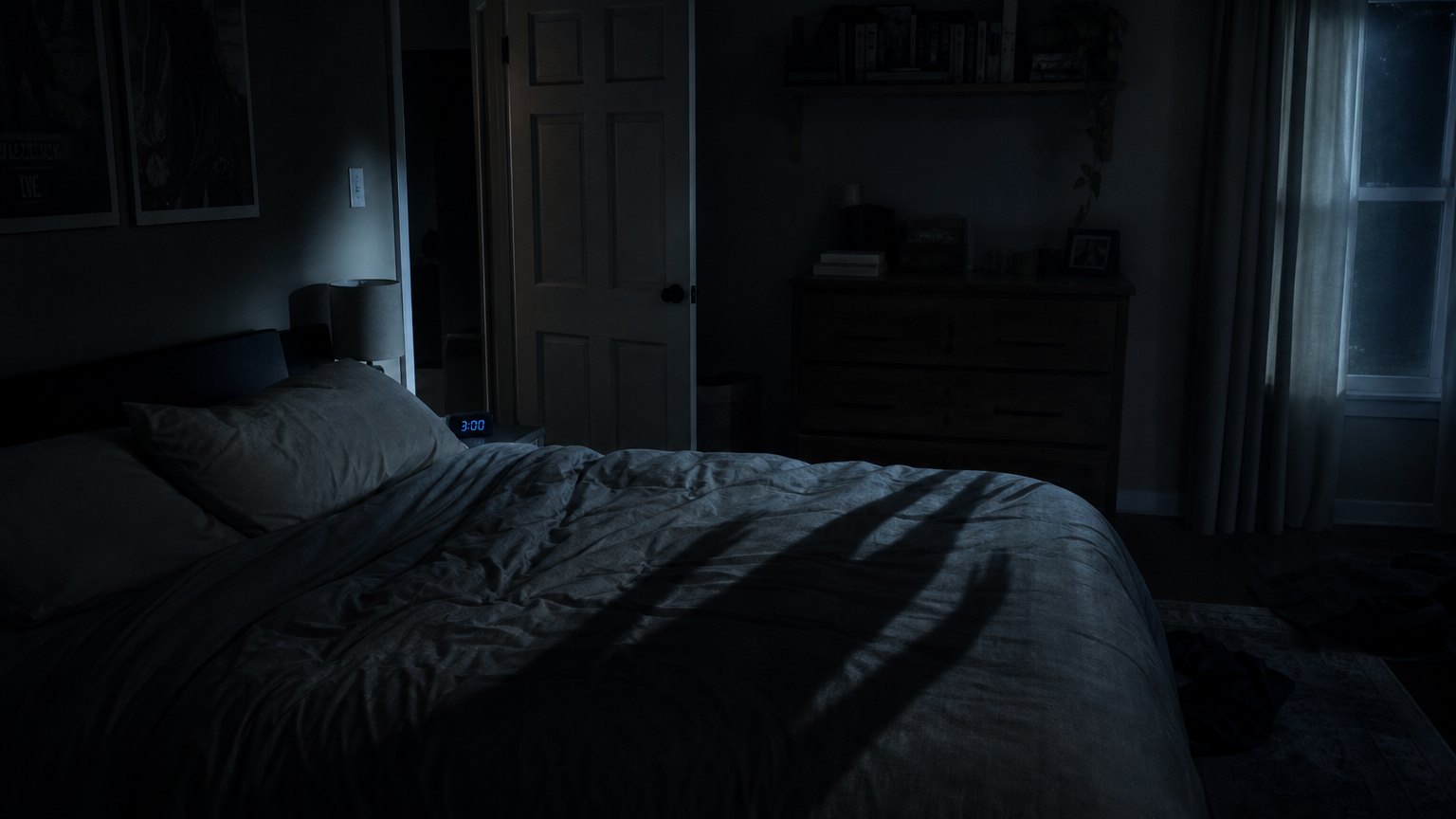
There is a specific, suffocating kind of horror that lives in the space between waking and sleeping. It is the paralysis that locks your limbs, the phantom weight on your chest, and the primal scream trapped in a throat that refuses to open. For decades, horror cinema has mined this well, often using it as a jump-scare setup or a generic supernatural threat. But with the upcoming release of Parasomnia, Shudder is offering something far more resonant: a narrative where the horror is inextricably linked to the female experience of trauma and the loss of bodily autonomy.
Shudder has acquired the distribution rights to the supernatural horror film Parasomnia, following its premiere at the Overlook Film Festival earlier in 2026. The film is set to debut exclusively on the streaming platform on September 4, 2026. This acquisition signals a shift in how streaming giants are positioning psychological horror—not merely as spectacle, but as a mirror for real-world psychological distress.
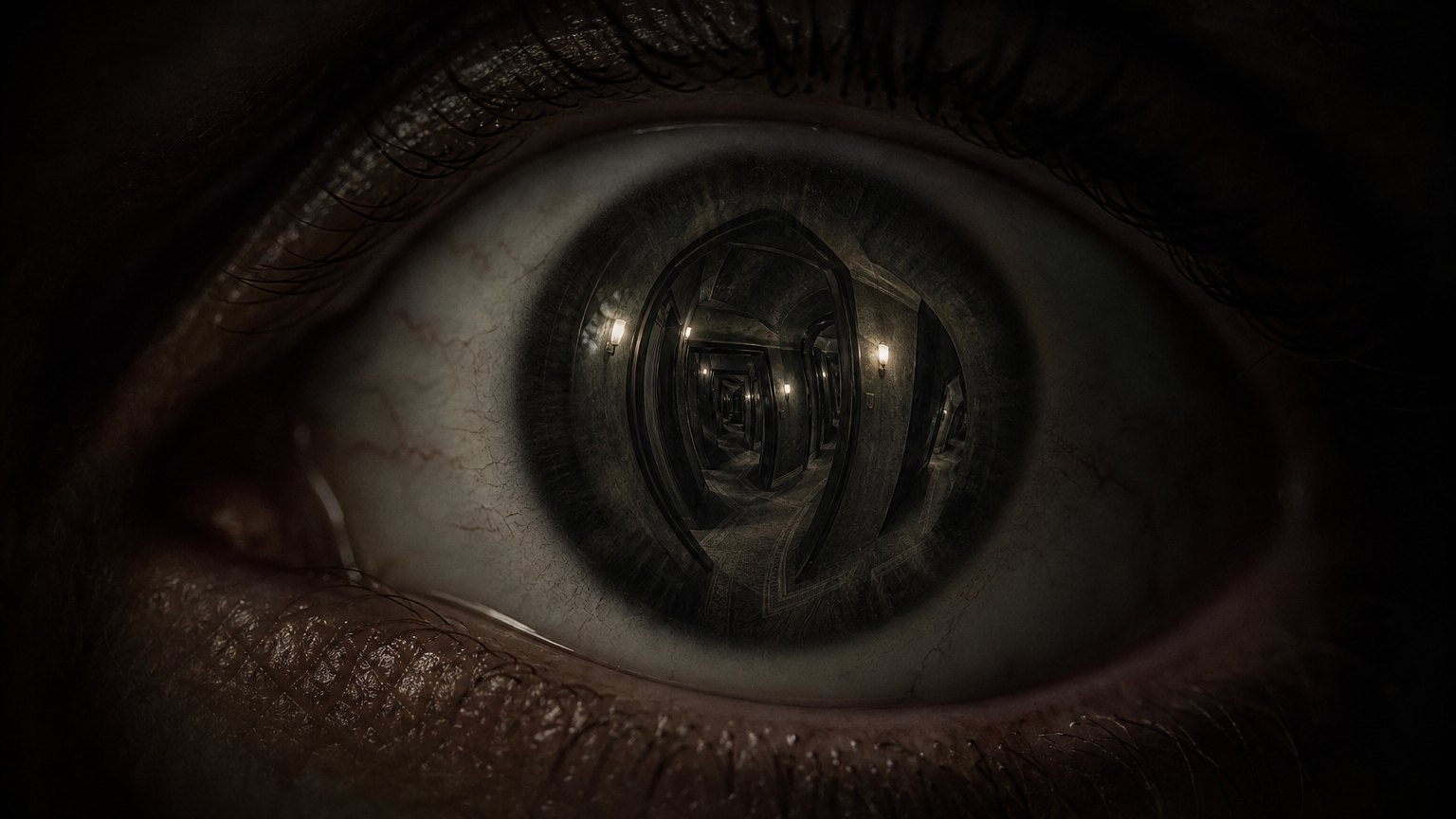
Writer and director James Ross II made his feature debut with this project, citing Wes Craven's A Nightmare on Elm Street as a primary inspiration for exploring the universal fear of nightmares. However, Ross II described the film as an attempt to make mundane, involuntary human experiences like sleeping terrifying, aiming for an immersive psychological horror experience rather than a direct retread of previous genre classics. By grounding the supernatural in the physiological, the film taps into a fear that is both universal and deeply personal.
The plot centers on Riley, a young woman suffering from severe night terrors and unresolved trauma, who suspects a demonic entity from her dreams has entered the real world after her best friend disappears. This narrative structure elevates the protagonist from a passive victim to an active investigator of her own psyche. Riley is not just running from a monster; she is confronting the manifestations of her own pain. The cast, including Jasmine Mathews, RJ Brown, Sally Stewart, Stephen Barrington, Danny Brown, and Simon Longnight, brings a grounded intensity to roles that demand emotional vulnerability alongside physical endurance.
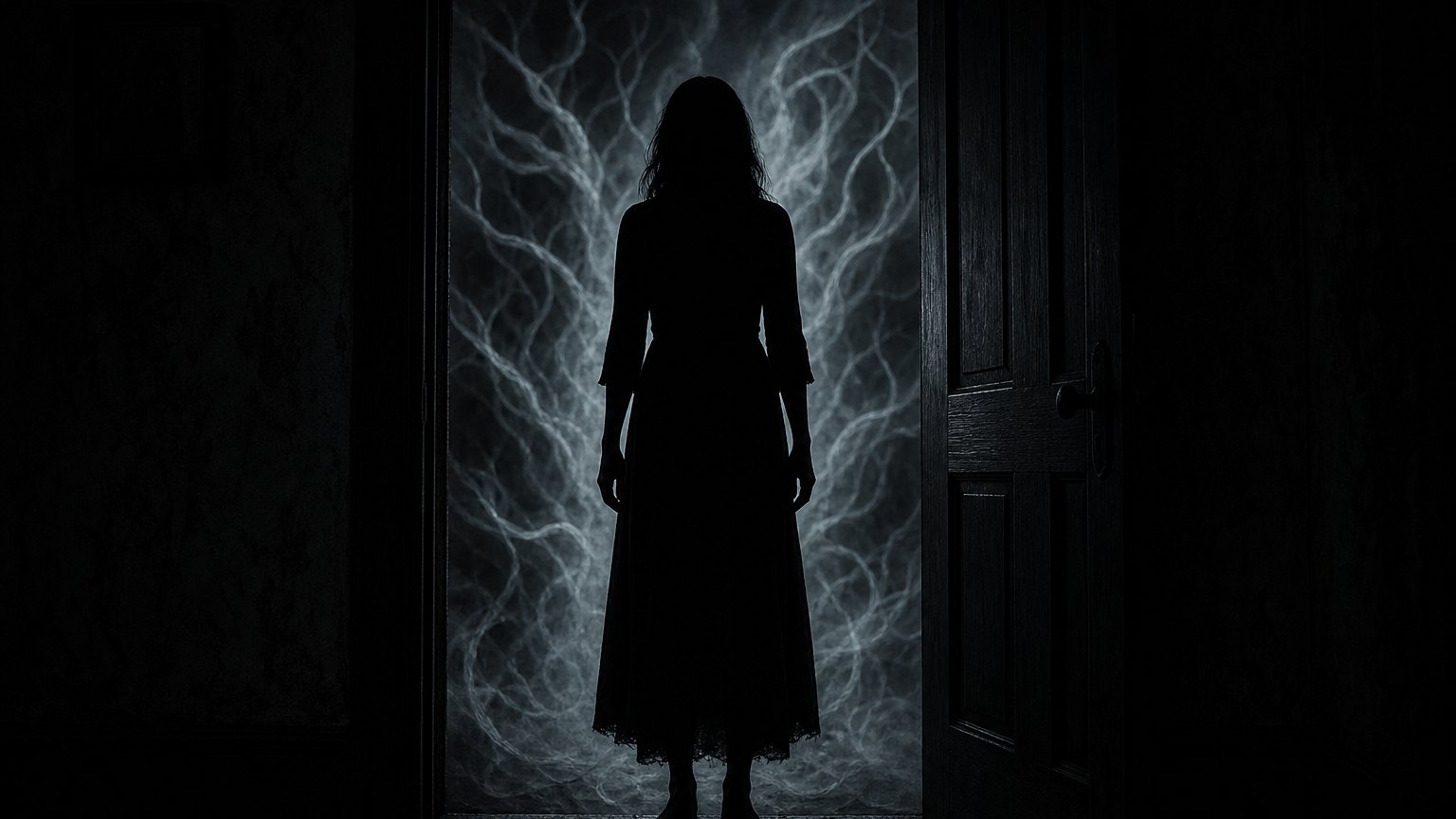
An official trailer showcasing the film's nightmare fuel and supernatural elements has been released to promote the upcoming premiere. The visuals promise a descent into a world where safety is an illusion, and the bed—the most intimate space in our lives—becomes a battlefield. In horror, the violation of private space is a potent tool. When that space is the mind itself, the stakes are infinitely higher.
For survivors of sleep paralysis or trauma, Parasomnia offers a rare opportunity to see their internal struggles externalized on screen. It validates the terror of the involuntary body and the lingering shadows of the past. As we approach the September premiere, this film stands as a testament to the power of horror to explore the darkest corners of the human experience, particularly those that have historically been silenced or dismissed as mere bad dreams. It is not just a movie about sleep; it is a movie about waking up to the realities we try to escape.
Comments (4)