
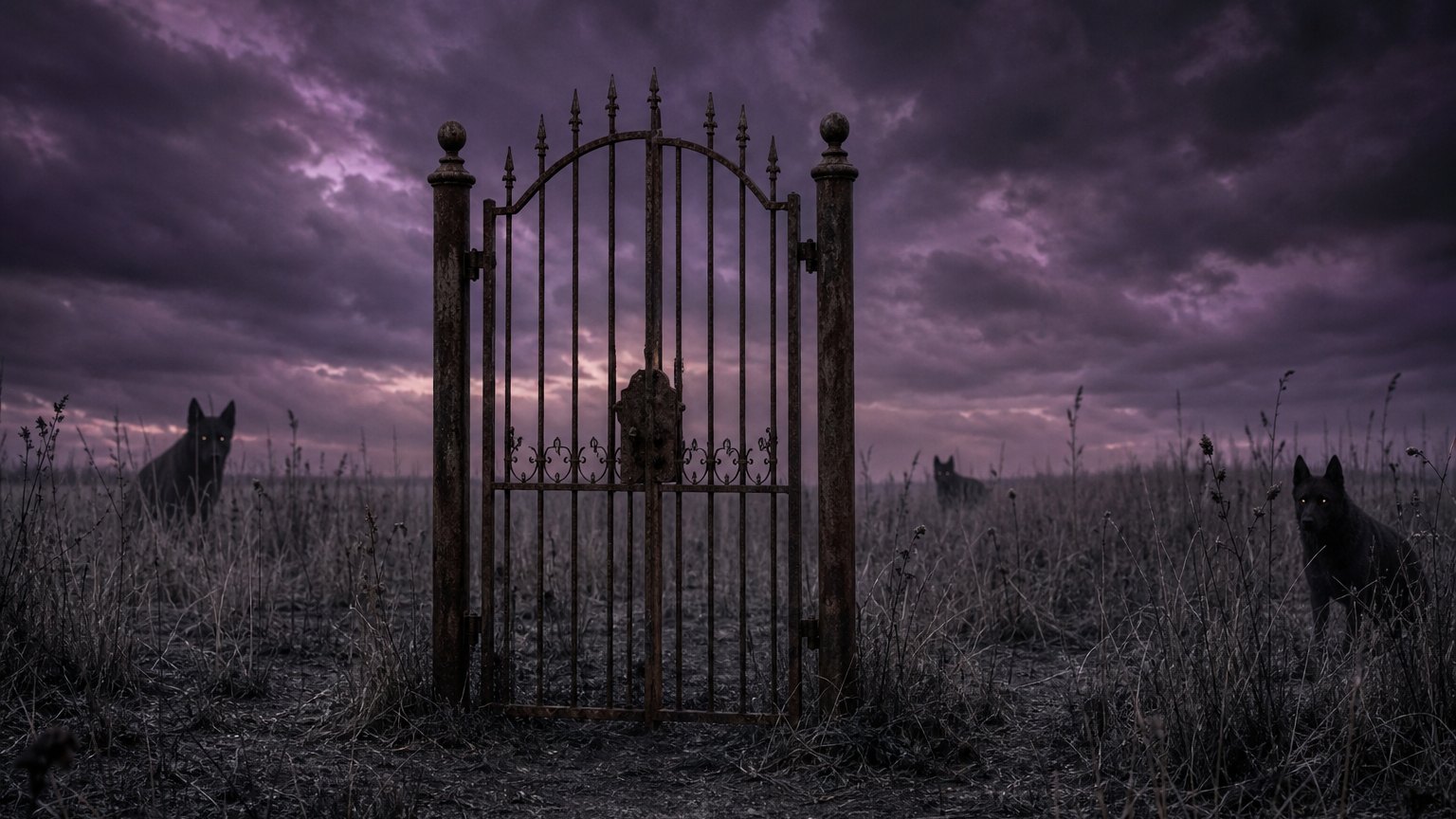
There is a specific kind of masculine exhaustion inherent in the post-apocalyptic genre, a fatigue born from the belief that a man can survive the end of the world entirely on his own terms. Nicolas Cage’s character in the upcoming action-horror film Parish embodies this brittle archetype to its logical, terrifying conclusion. Directed by Adam Sigal, known for the quirky cult favorite Nandor Fodor and the Talking Mongoose, the film presents a narrative set three decades after a nuclear apocalypse. Cage portrays a hardened survivor who has maintained a fortified sanctuary protected by trained attack dogs for thirty years. His existence is defined by a strict rule of isolation, a fortress of solitude that has sustained him but also imprisoned him.
The narrative conflict ignites when a woman carrying an infant arrives at the survivor's gate. This is not merely a plot device; it is an intrusion of the very humanity he has spent thirty years rejecting. By choosing to allow them entry, he compromises his security, attracting a hostile group of cannibals. Producers describe the film as a visceral, high-stakes survival thriller featuring emotional intensity, but the subtext screams louder than the violence. The story suggests that the true danger isn’t the external threat of cannibalism, but the internal collapse of a worldview that prioritizes walls over relationships.
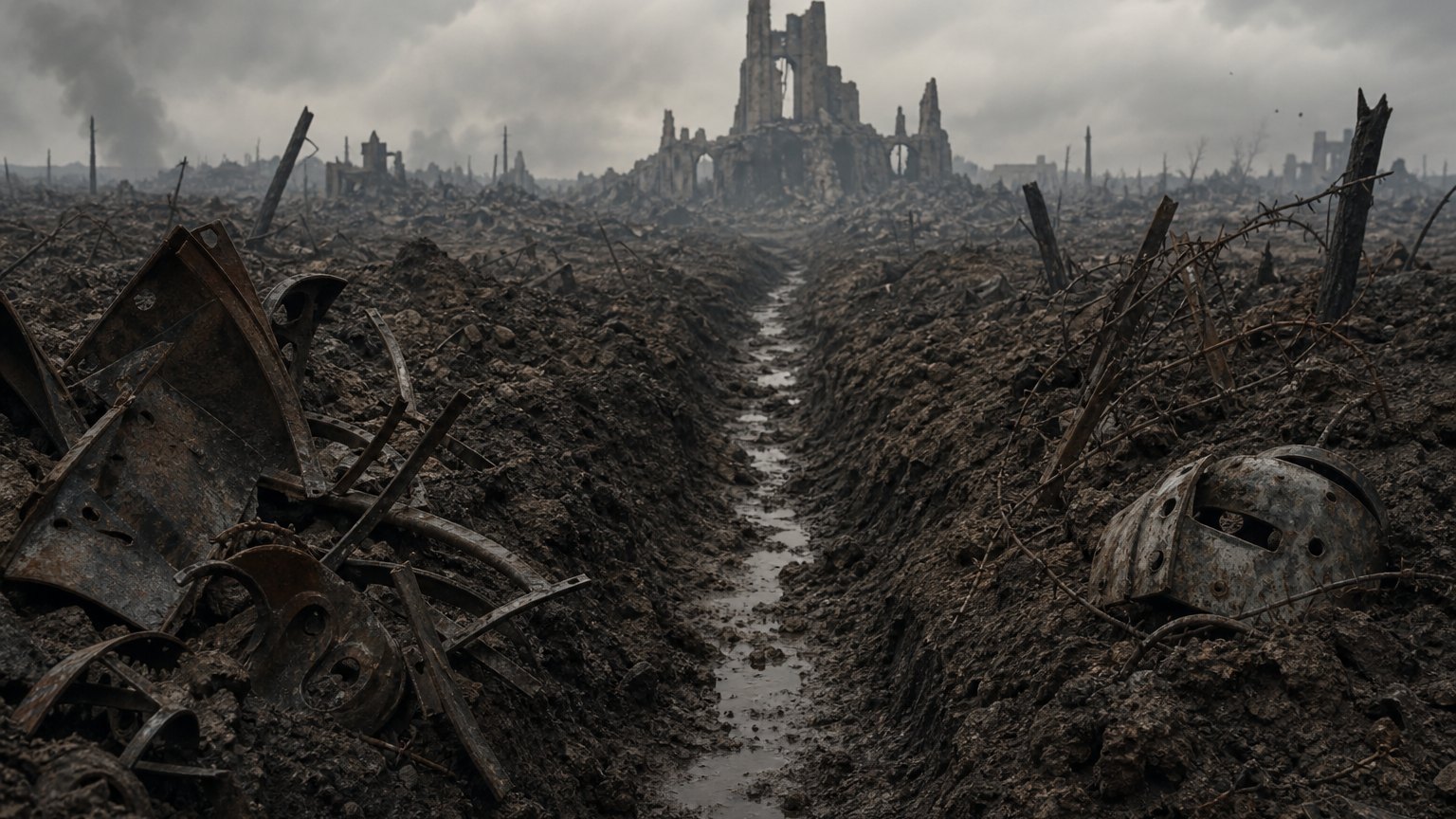
Matthew Shreder of Concourse Media, which is handling world pre-sales for the genre film, highlighted the production's scale and theatrical potential. Yet, it is Joel Shapiro’s praise of the director’s ability to create a savage yet human-centric world that offers the most compelling lens for feminist cultural criticism. In a genre often dominated by the lone wolf hero who must kill to survive, Parish introduces the disruptive force of care. The woman and child represent vulnerability, but also the necessity of community. Cage’s character, stripped of his isolation, is forced to confront the fact that survival without connection is just a slower form of death.
From a survivor’s perspective, the film’s tension arises from the violation of safe spaces. The fortified compound, once a sanctuary, becomes a trap because its creator refused to let anything else in. This mirrors real-world discussions about boundaries and trust. The cannibals are not just monsters; they are the consequence of a world where empathy was deemed a weakness. The film positions the male survivor’s rigid control against the fluid, demanding reality of human connection. It asks whether it is possible to remain hardened after thirty years of solitude when faced with the innocent gaze of a child and the weary resilience of a mother.
As Concourse Media pushes this into the theatrical market, the question remains: can a story about nuclear survival be truly human-centric if it doesn’t center the women who keep the human race from going extinct? Parish seems poised to answer that question by showing that the only way to defeat the cannibals of a dead world is to embrace the living, messy, dangerous reality of others. Cage’s performance will likely showcase a man unraveling, not because he is weak, but because he is finally remembering how to be part of a whole.

Comments (4)