
There is a distinct, pulsing tension in the current horror landscape that often strips the female experience of its agency. But what if the genre could also be playful? The official title of the sequel to The RajaSaab has been revealed as 'Raja Saab Circus 1935'. This isn't just a date; it is a deliberate return to the vintage era, a period where women were often confined by societal expectations but also possessed a fierce, unseen resilience. By setting the story in the 1930s, directors Geethu Mohandas and Maruthi are not merely choosing a backdrop; they are curating a specific cultural memory where the 'circus' becomes a stage for survival.
The Comedy of Survival
Described as a horror-comedy, this sequel signals a shift in tone that aligns perfectly with modern feminist readings of the genre. Comedy in horror has historically been a tool for subversion. When the female protagonist faces a monstrous threat, the humor often lies in her refusal to be merely a victim. In the vintage setting of 1935, the 'circus' metaphor suggests a world of performance where women were expected to entertain and endure. This film appears to weaponize that expectation. By blending horror with comedy, the directors are likely exploring how laughter can be a survival mechanism, a way for the heroine to retain her humanity while navigating a dark, period-piece landscape.
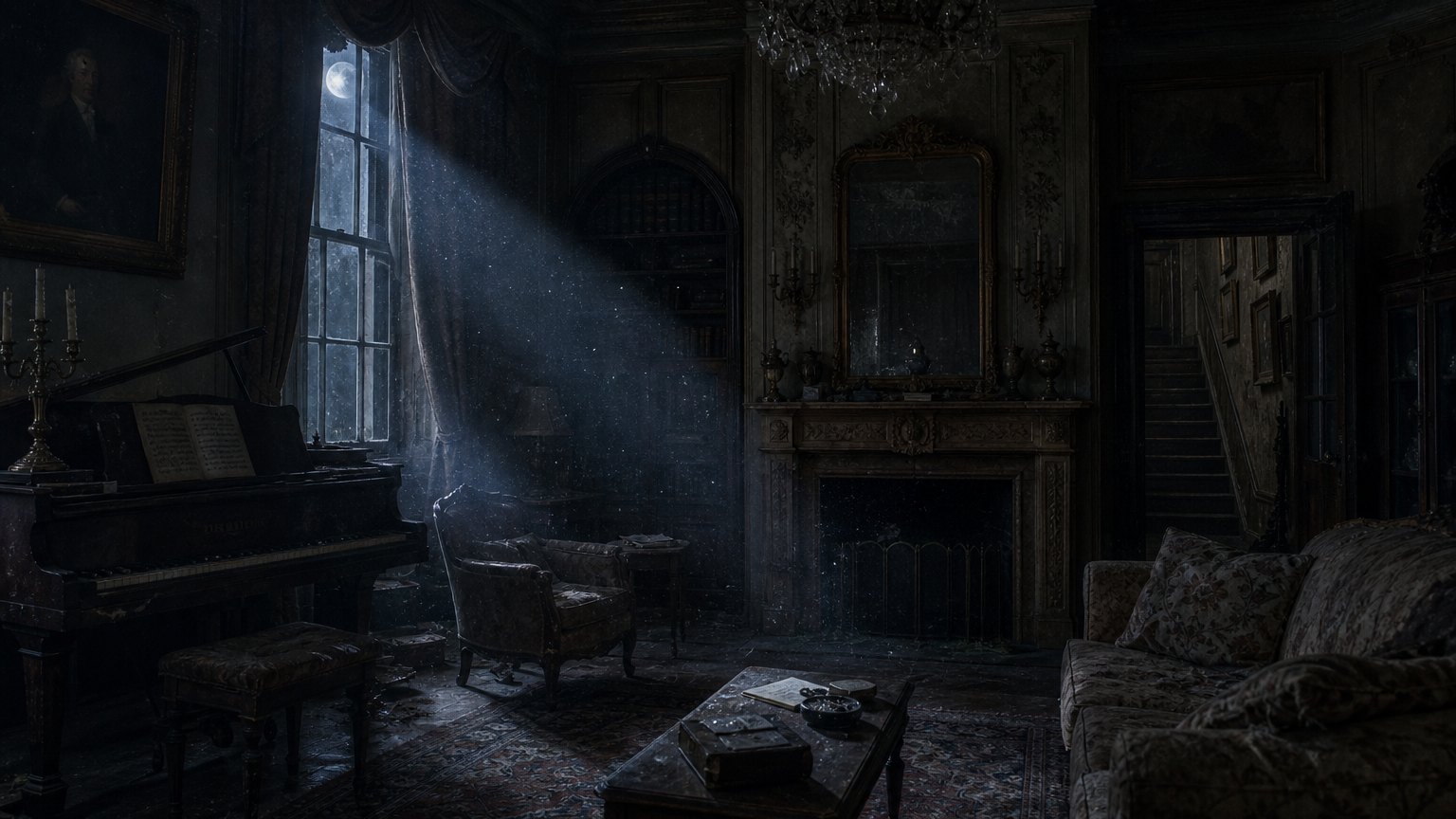
The vintage era is not just a visual choice; it is a narrative device. The 1930s saw a specific kind of female strength emerging in cinema, a strength that was often masked by the elegance of the time. By naming the film 'Raja Saab Circus 1935', the creators are inviting us to view the horror through the lens of a woman who is both the performer and the survivor. It is a bold move to take the 'Raja Saab' lineage and infuse it with the wit and warmth of the vintage period, proving that the female lead doesn't have to be tragic to be powerful.
For the independent horror community, this title is a promise. It promises a story where the survivor is in control of her narrative, using the vintage setting not as a cage, but as a canvas for her resilience. The circus is not a trap; it is the arena where she shines, even in the dark. This is horror that respects the intelligence of its audience and the agency of its female leads.

Comments (4)