
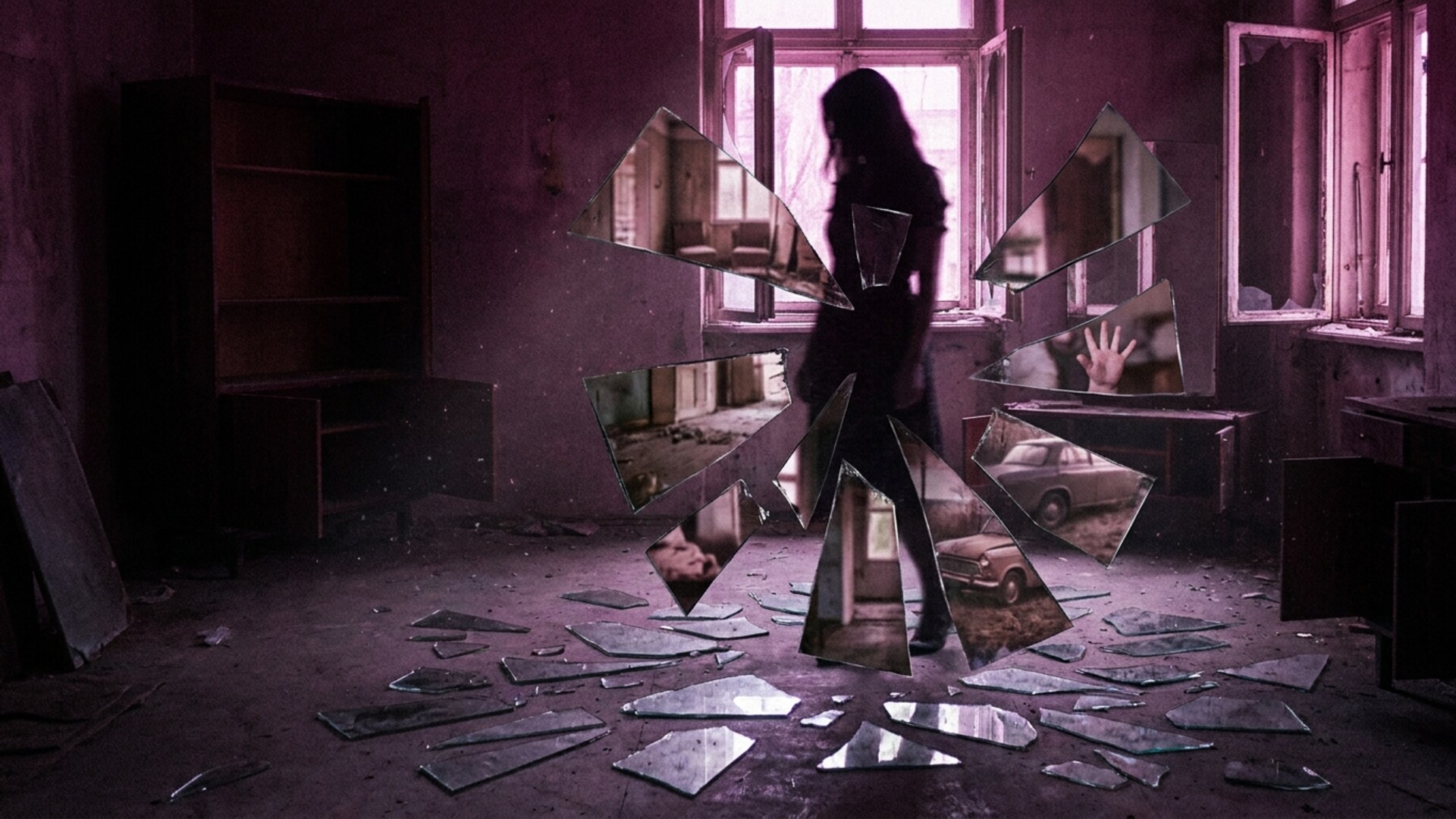
The horror genre has long been obsessed with the physical body as a site of violation. For decades, the final girl has been defined by her ability to outrun, outsmart, or outfight a monster that threatens her flesh. But on July 20, 2026, the announcement of Rehaunted signaled a subtle yet profound pivot. This is not a game about dodging blades or managing stamina bars; it is a first-person psychological detective horror game for PC that asks a more terrifying question: What happens to the mind after the violence stops?
Rehaunted strips away the traditional power fantasy of the slasher genre. There are no weapons here, only the heavy, suffocating weight of memory. By framing the player as a detective, the developers are not inviting us to solve a murder in the traditional sense. They are inviting us to solve the self. The perspective is intimate, claustrophobic, and relentlessly internal. It forces the player to inhabit the cognitive dissonance of a survivor who is forced to piece together the fragments of a traumatic event that their mind has tried to bury.
The Architecture of Fear
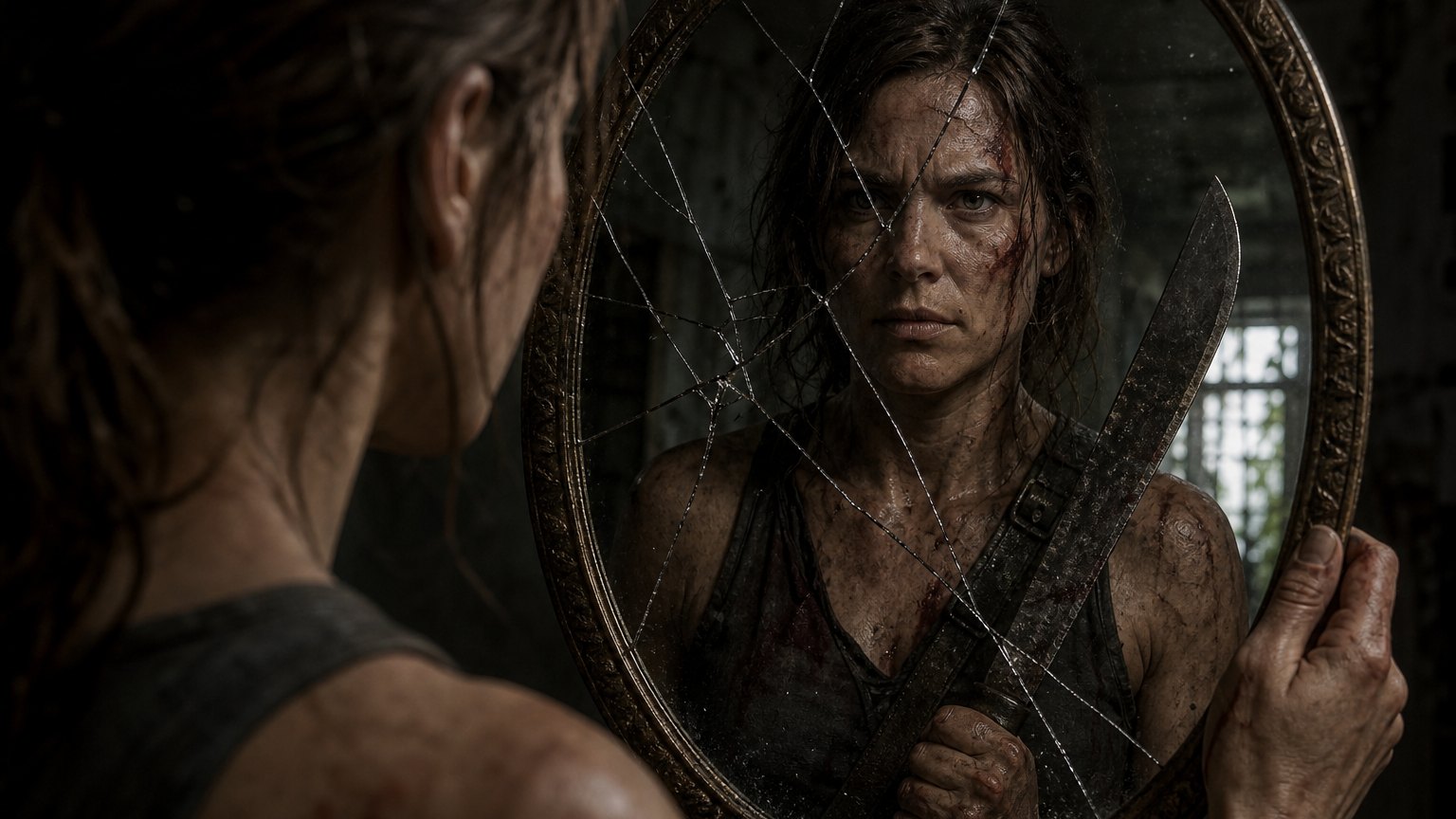
In mainstream horror, fear is often externalized—a shadow in the corner, a noise in the hallway. Rehaunted internalizes that terror. The first-person view becomes a mirror, reflecting not just the environment, but the protagonist’s fractured perception of reality. This approach aligns with a growing wave of feminist horror criticism that prioritizes emotional realism over jump scares. It acknowledges that for many survivors, the haunting does not end when the credits roll; it evolves into a chronic condition of hypervigilance and grief.
The decision to release this experience on PC is significant. It allows for a level of narrative depth and atmospheric control that mirrors the complexity of psychological trauma. The game does not offer easy answers or clear-cut villains. Instead, it offers a space to sit with discomfort. It challenges the player to confront the ambiguity of memory and the ways in which our pasts continue to shape our present realities. This is horror that respects the intelligence and resilience of its audience, particularly women who have historically been relegated to the role of victims rather than complex survivors.
As we await deeper dives into the gameplay mechanics, Rehaunted stands as a promising entry in a genre ripe for redefinition. It suggests that the most haunting monsters are not those that chase us in the dark, but those that live within us, waiting for us to look closely enough to see them. In a media landscape often dominated by sensationalism, Rehaunted offers a quiet, potent reminder that true horror lies in the truth we struggle to face.

Comments (7)