
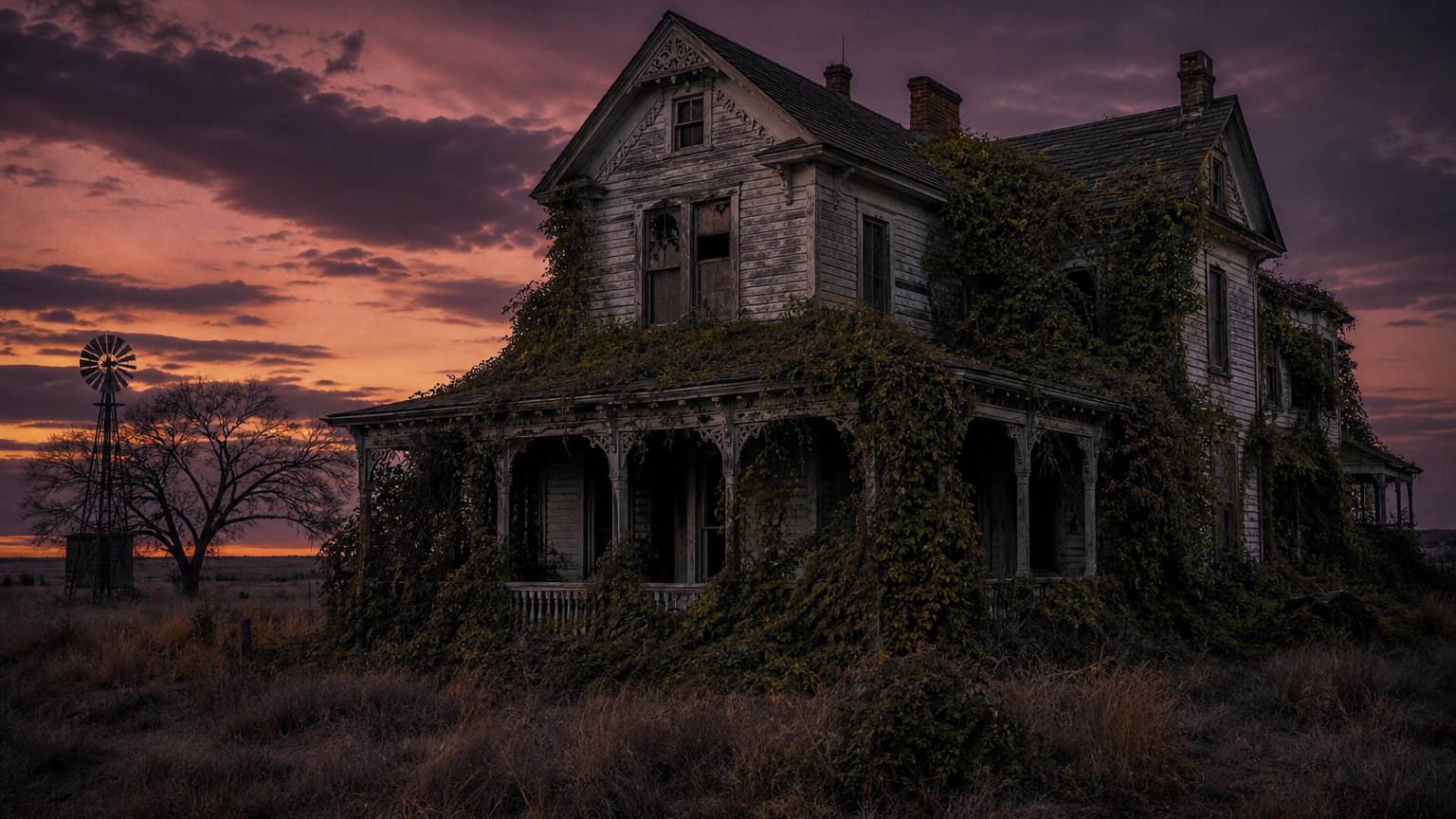
In the pantheon of horror, few tropes are as enduring or as deeply entrenched in patriarchal anxiety as the monster born from beauty standards. Deborah Richards’ upcoming film, Scissor Mouth, taps into this vein with a narrative that is as much about cultural critique as it is about visceral terror. Starring Tara Reid and Johnny Pemberton, the film marks a significant moment for women-in-horror storytelling, grounding its scares in the specific, suffocating heat of early 1980s West Texas.
A Folklore Fusion Rooted in Survival
Richards describes Scissor Mouth as a contemporary Southern Gothic horror inspired by an ancient Japanese folktale. This fusion is not merely aesthetic; it is thematic. By weaving Japanese folklore into the fabric of rural American isolation, the film explores how societal obsessions with beauty create psychological scars that run deeper than any physical wound. The story follows a teenage girl who has endured years of captivity by her beauty-obsessed mother. Her escape is not just a physical liberation but a violent rejection of the gaze that sought to control her.
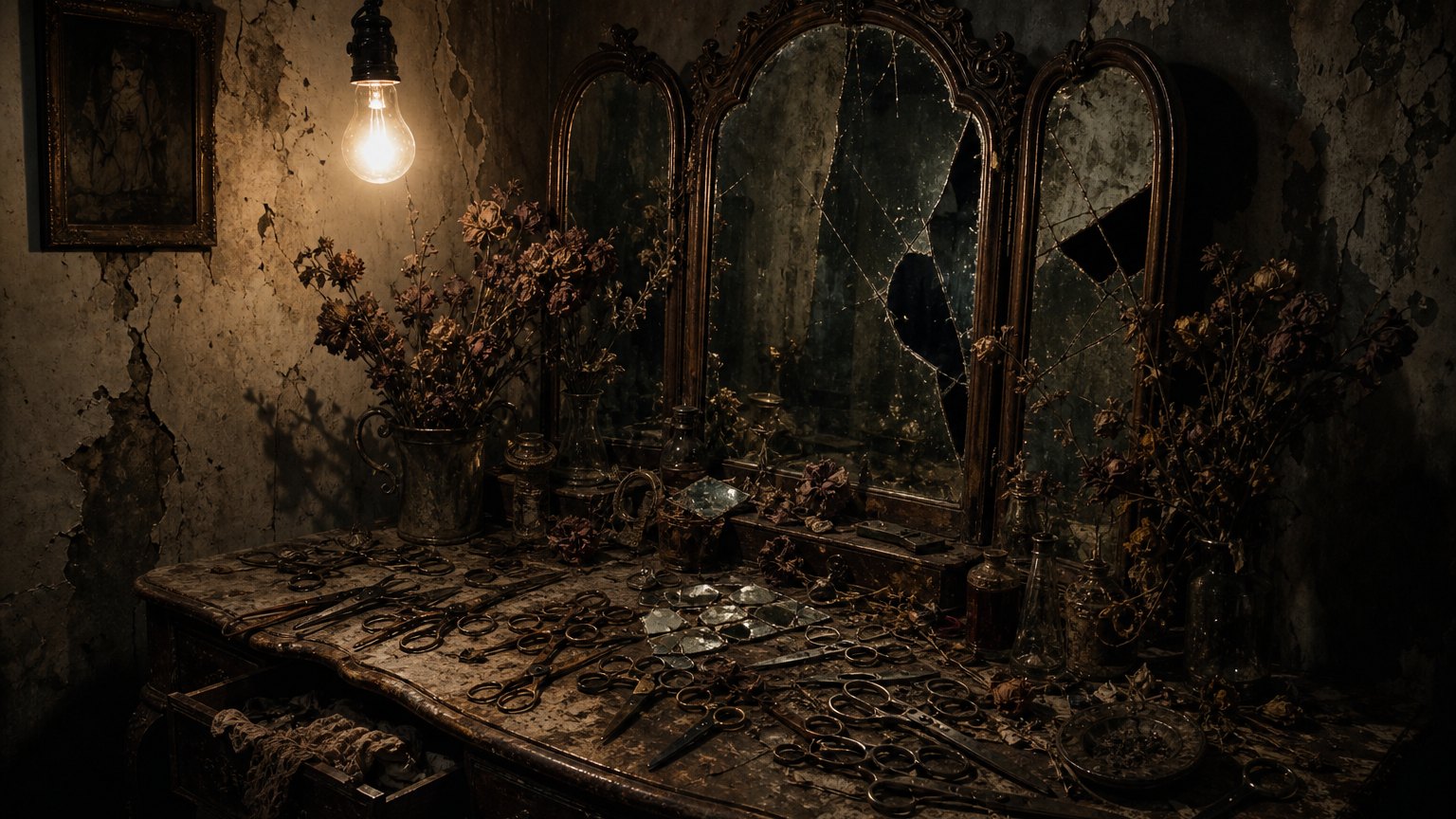
Upon her freedom, the protagonist leaves a trail of violent 'makeovers' across the region. This is where the film shifts from a tale of victimhood to one of retribution. The 'makeovers' are not acts of vanity but of punishment, a grotesque mirroring of the control exerted upon her. It is a narrative choice that centers the survivor’s agency, even when that agency is expressed through horror.
Reid and Pemberton Anchor the Chaos
Tara Reid, known for her long career in genre cinema, takes the lead role, bringing a nuanced presence to a character defined by trauma and rage. Her casting is significant, as it places an actress with deep roots in horror history at the center of a new wave of feminist horror narratives. Joining her is Johnny Pemberton, recognized for his role in Fallout, who adds depth to the ensemble cast. The film is produced by Patrick Wirtz, who has supported Richards’ vision for a project that challenges traditional genre boundaries.
The setting of early 1980s West Texas provides a backdrop of isolation and decay, perfect for a story about the rotting underbelly of the American dream of perfection. The Southern Gothic atmosphere amplifies the tension, turning the landscape itself into a character that witnesses the protagonist’s journey.
The Cultural Resonance of 'Scissor Mouth'
What makes Scissor Mouth stand out in the current horror landscape is its refusal to treat its female protagonist as a passive object. Instead, the film uses the monstrous to explore the real-world violence of beauty standards. The Japanese folktale inspiration adds a layer of mythic weight, suggesting that the terror of being judged and controlled is a universal, timeless struggle. As we await the release of this film, it serves as a reminder that horror is not just about fear, but about the survival of the self against systems that seek to erase it. Scissor Mouth is a bold entry in the genre, proving that the most terrifying monsters are often the ones we are told to become.
Comments (4)