
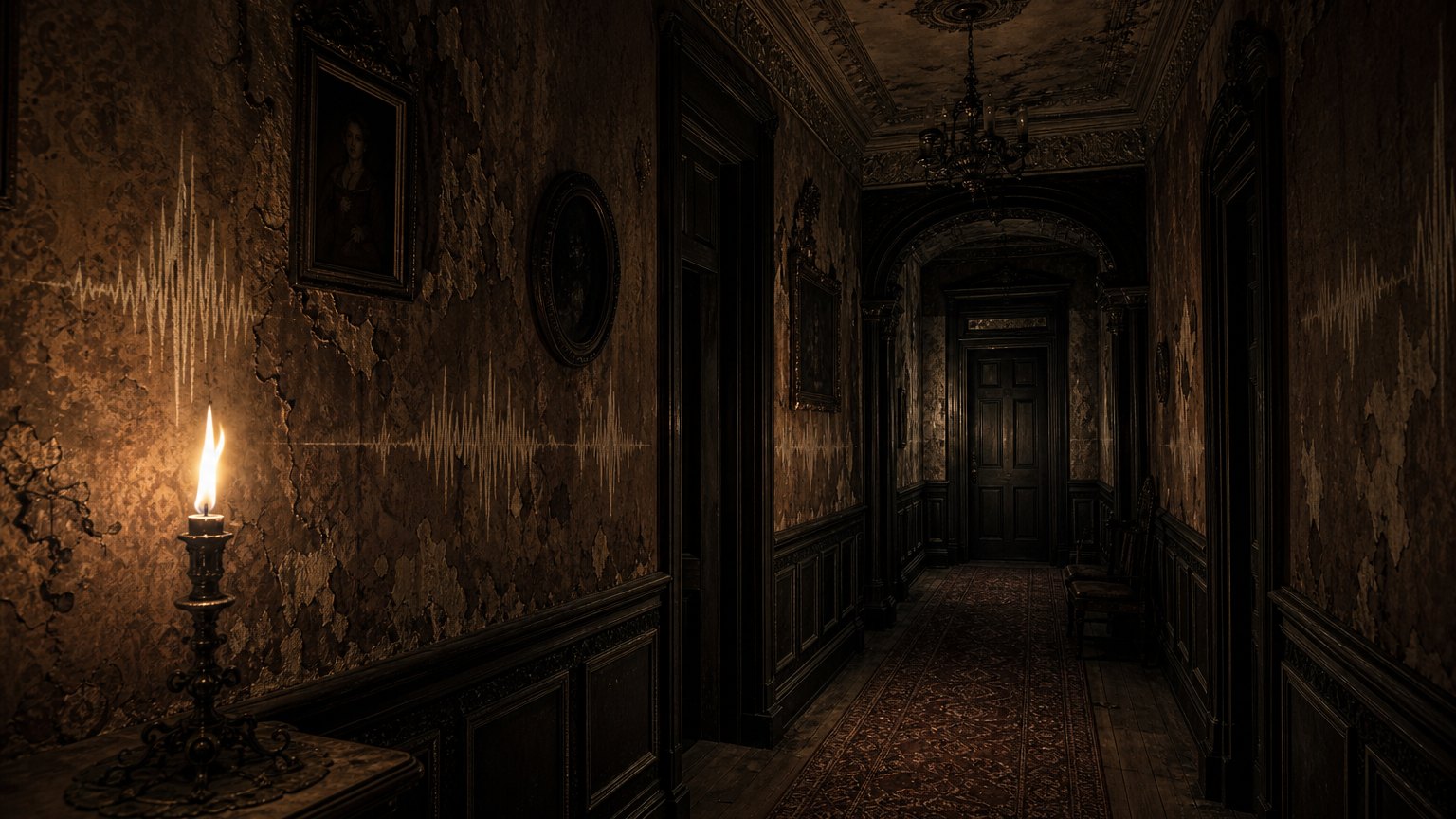
Horror has long treated grief as a passive backdrop, a shadowy motivation for protagonists to overcome before the final jump scare. But in Andrew Bachelor’s feature directorial debut, Tap Twice, grief is not a backdrop; it is the building material. The supernatural thriller completes production with a premise that feels less like a haunted house story and more like a psychological excavation of how silence and speech intersect when the heart is shattered.
Bachelor, known for his work as an artist and musician, steps behind the camera and into the lead role alongside a formidable ensemble including Chelsea Tavares, Joel McKinnon Miller, Carson Fagerbakke, Augusta Liv, Gillian Nation, and Joe Massingill. The plot follows a bereaved couple who retreat to a secluded mansion, seeking isolation to process their loss. However, the architecture itself is alive, recording every spoken conversation within its walls. It is a metaphor made manifest: the home does not just house them; it archives their pain.
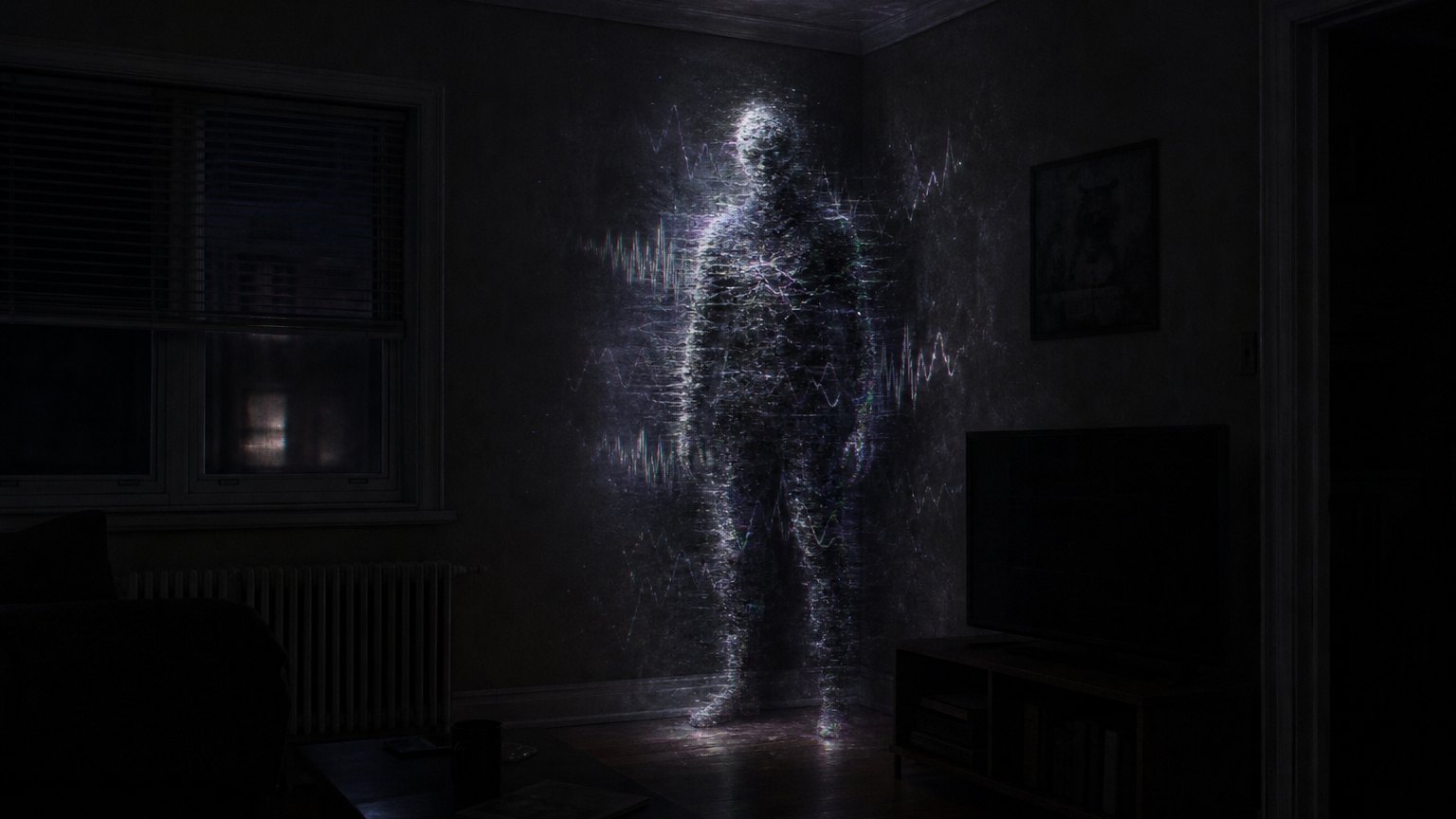
What makes this concept particularly potent through a feminist lens is the violation of domestic privacy. For survivors, especially women, the home is often the site of both sanctuary and trauma. Here, the mansion learns to mimic the voices of the grieving pair, using their own words against them. This is not a monster that hunts with claws, but one that weaponizes memory. It forces the characters to confront the unspoken, the whispered regrets, and the loud declarations made in the raw early days of mourning. The entity becomes a grotesque mirror, reflecting back the cacophony of a broken relationship and the heavy burden of unsaid goodbyes.
Bachelor’s choice to star in the film alongside Tavares suggests a deeply personal investment in the dynamics of this relationship. Tavares, a staple in the horror community known for her fierce and nuanced performances, brings a grounded intensity to the role of the grieving wife. Her presence anchors the supernatural elements in a very human reality. The supporting cast adds layers to this domestic nightmare, creating a web of interactions that the house observes and distorts.
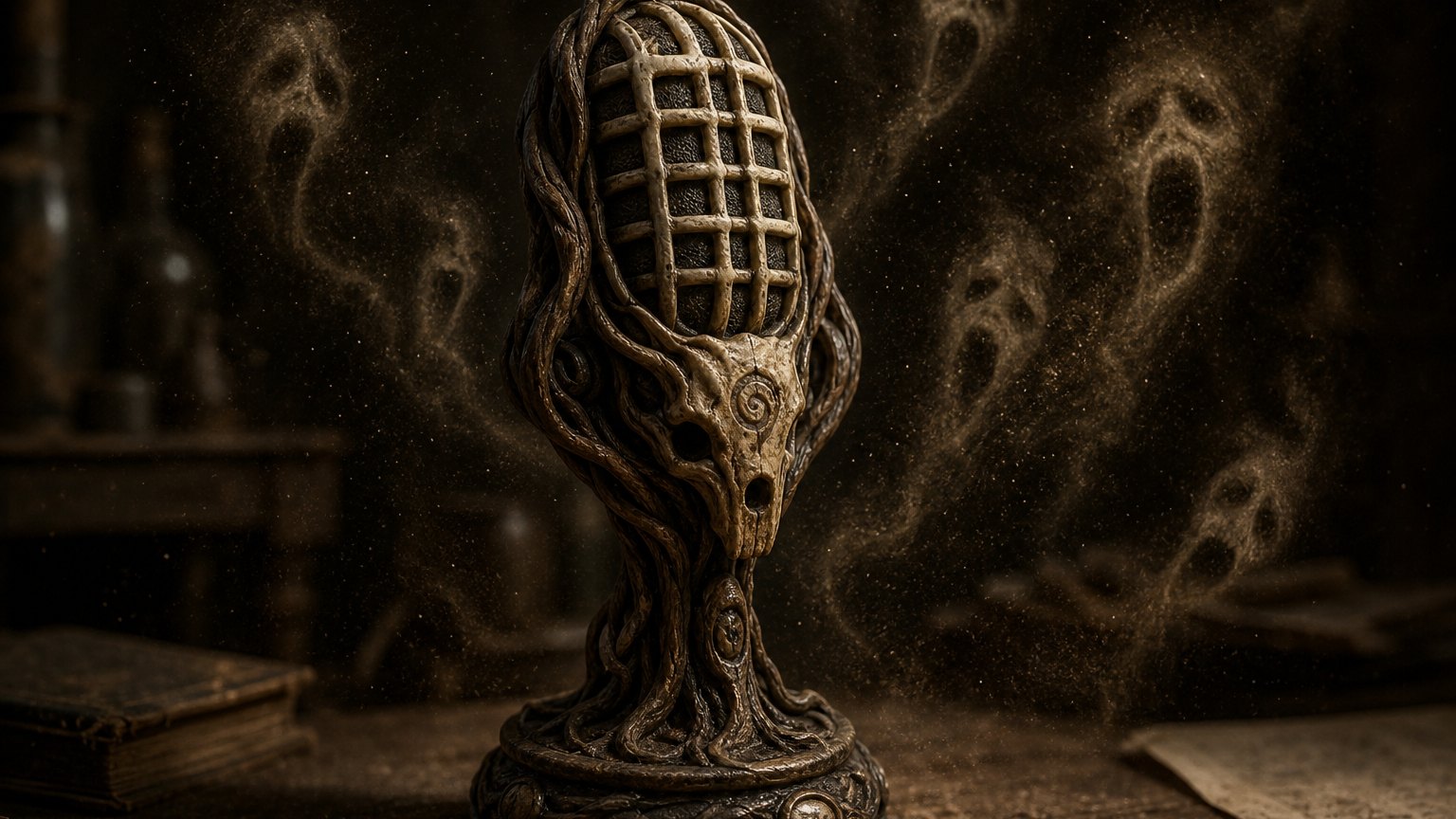
The premise of Tap Twice challenges the traditional male gaze often associated with haunted house narratives. Instead of focusing on the physical threat to the body, the film focuses on the psychological erosion of the self through the distortion of voice. It asks a difficult question: if your home remembers your pain more vividly than you do, where do you find peace? Is it possible to heal when your environment refuses to let you forget?
As Bachelor transitions from music and art to feature filmmaking, Tap Twice stands as a bold statement on the intersection of sound, space, and sorrow. It promises a horror experience that is intimate, terrifying, and deeply resonant. By centering the narrative on a couple navigating the labyrinth of their own voices, Bachelor offers a story that speaks to anyone who has ever felt trapped by their own memories. The house may be haunted, but it is the grief that truly lingers, echoing in the halls long after the lights go out.
Comments (4)