
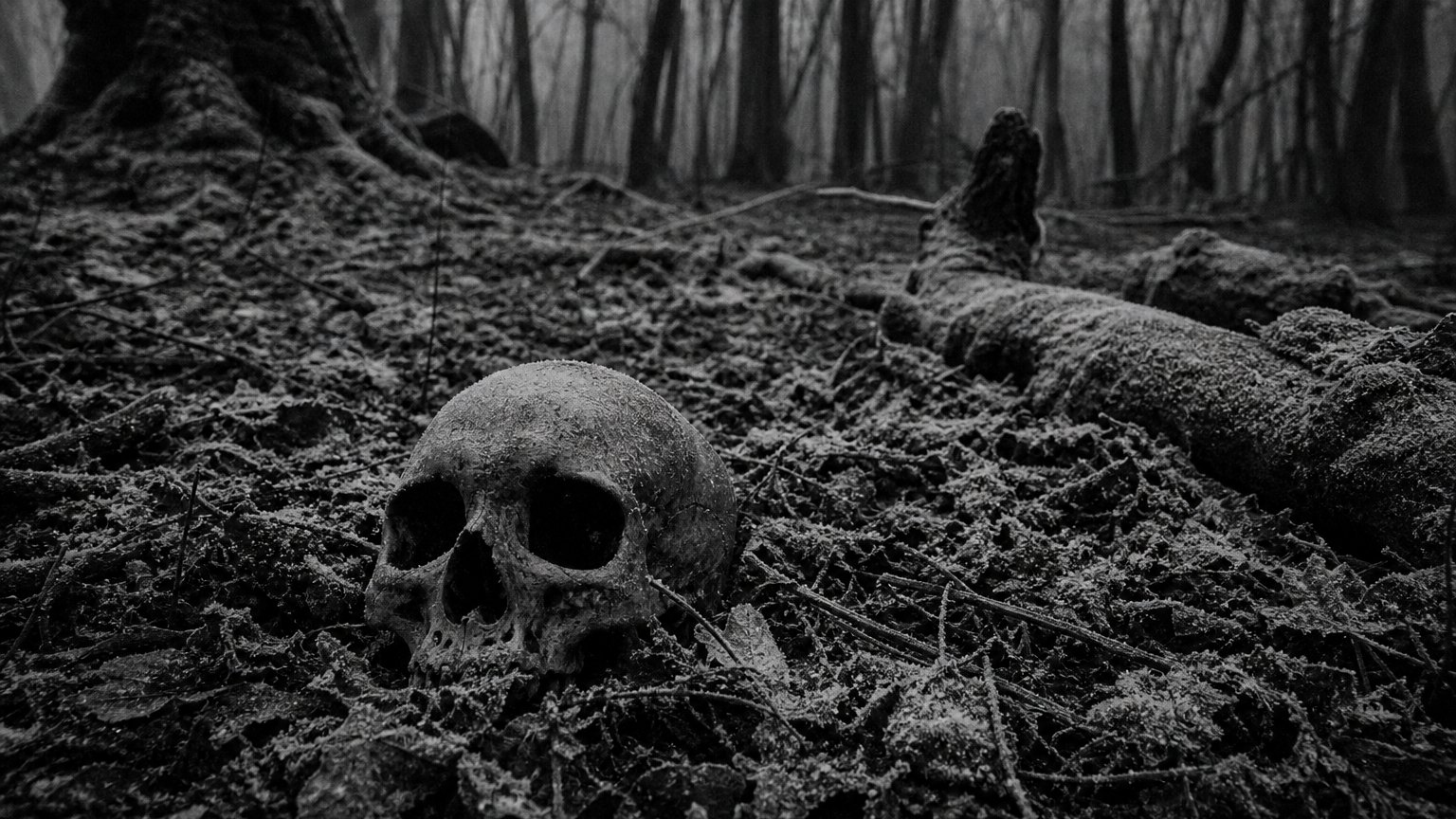
There is a specific kind of violence that occurs when a filmmaker decides to strip away the comfort of color. In Robert Eggers’ upcoming medieval horror film Werwulf, the loss of vibrant hue is not merely an aesthetic choice; it is a narrative weapon. Distributed by Focus Features and set for a Christmas Day 2026 release, the film transports us to 13th-century England, a time when folklore was not just story, but the terrifying architecture of daily survival. The poster, stark and monochromatic, bears the tagline 'Devoureth All Mankynde,' a phrase that feels less like marketing and more like a warning from the grave.
The Aesthetics of Sickness
Eggers has described Werwulf as the darkest script he has ever written, and the visual language supports this claim. The production utilizes 35mm film stock, but the true innovation lies in the post-production treatment. By applying an orthochromatic filter to color footage, Eggers has achieved a grain structure that mimics the limitations of early black-and-white photography while retaining the depth of modern cinema. The result is a visual field where human skin appears sickly, discolored, and vulnerable. This is horror that attacks the body itself, turning the protagonists’ physicality into a site of dread.
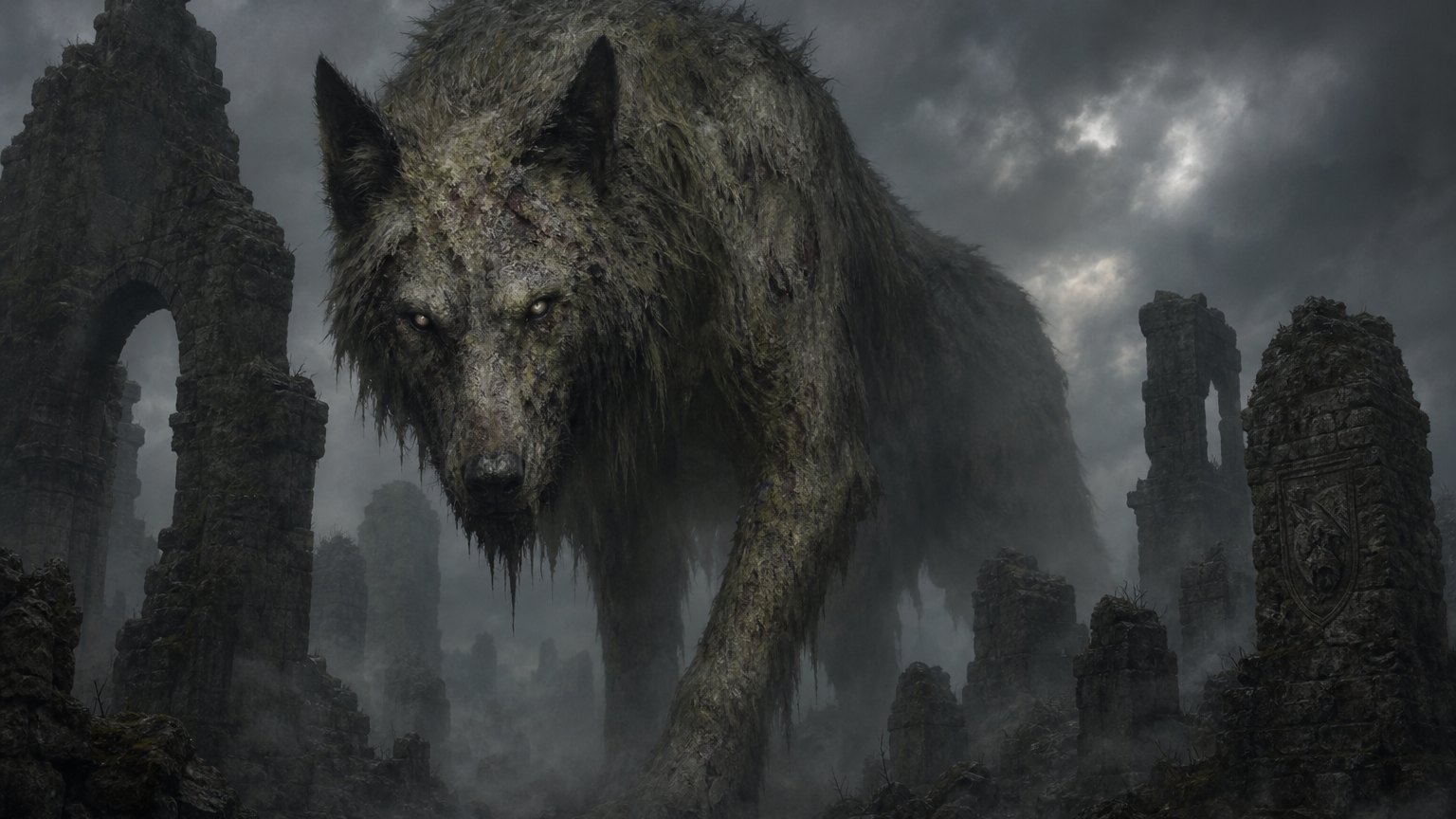
For a genre often dominated by male gaze aesthetics, this approach is radical. It refuses to eroticize or beautify the horror. Instead, it presents a world where the human form is already compromised, already decaying. The creature stalking the land is not just an external threat; it is the embodiment of the 'inner evil' that Eggers explores through themes of devotion and damnation. When the cast, including Aaron Taylor-Johnson, Lily-Rose Depp, Willem Dafoe, Ralph Ineson, and Bodhi Rae Breathnach, are rendered in these ghostly tones, they cease to be celebrities and become archetypes of suffering.
Folklore as Female Experience
While the marketing highlights the creature, the true horror of Werwulf lies in its treatment of the human condition in a patriarchal medieval society. The 'local folklore' mentioned in the plot summaries often serves as a vessel for societal fears, particularly those projected onto women and outsiders. By rendering the world in such a harsh, unforgiving grayscale, Eggers removes the safety net of cinematic gloss. There is no warm light to hide behind, no soft focus to soften the blow of damnation.
This is horror through the lens of survival. It is the horror of being watched, of being hunted, of having your reality dictated by ancient, unyielding rules. The orthochromatic treatment ensures that every frame feels like a relic, a piece of evidence from a trial that never ended. As we approach the December 2026 release, one must ask: what happens when the monster is not just in the woods, but in the very way we are seen? Werwulf suggests that the most terrifying thing is not the beast, but the realization that the world has already turned against you, leaving you gray, sickly, and alone.
Comments (6)