
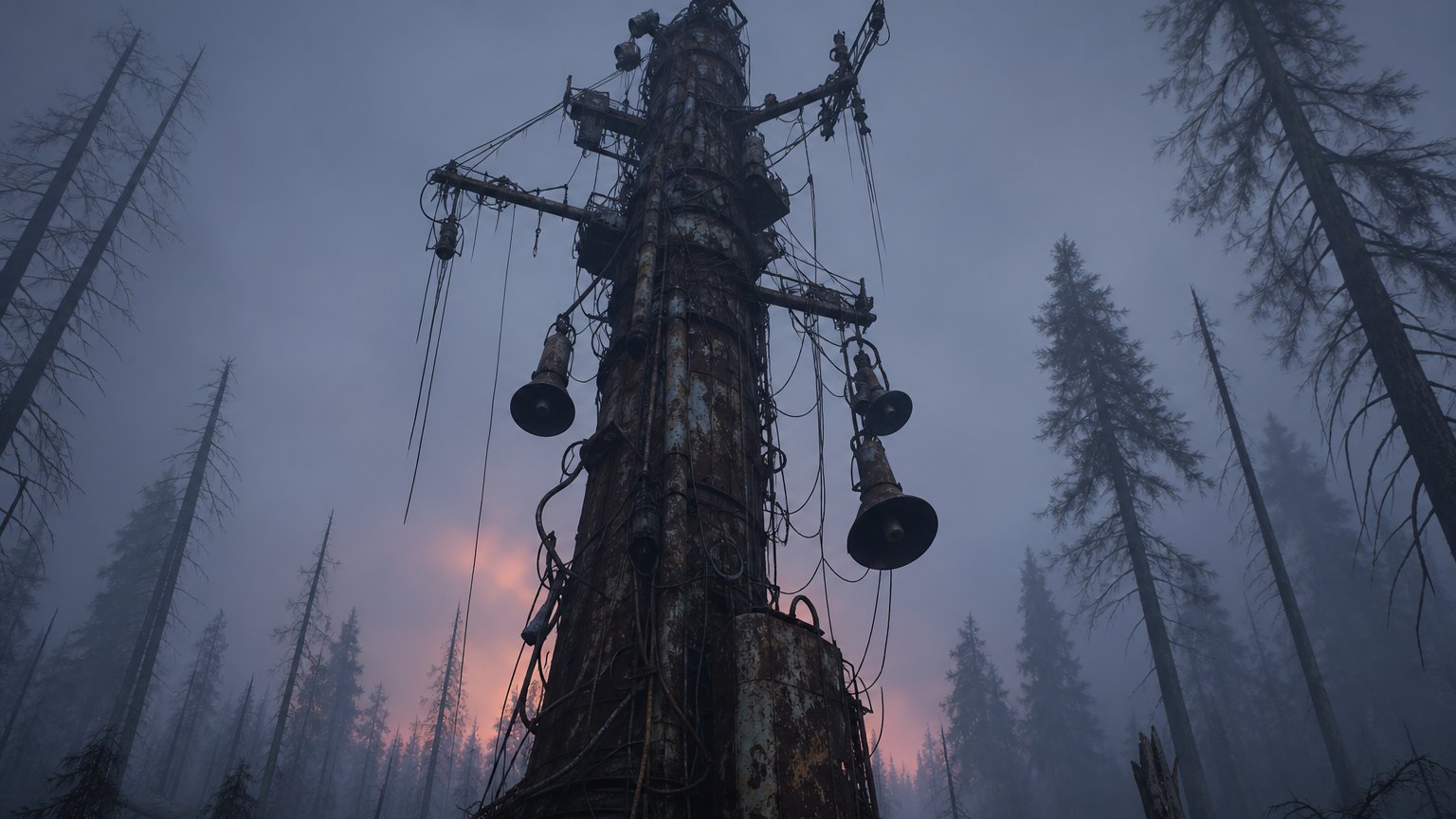
Warner Bros. Pictures has officially acquired the rights to adapt the viral internet horror meme 'Siren Head' into a feature film. It is a move that feels less like a creative expansion and more like a corporate harvesting of the very things that make independent horror so vital: the weird, the unsettling, and the deeply personal. With Brian Duffield attached to direct and Zach Cregger, the filmmaker behind the recently released 'Weapons', co-writing the screenplay alongside Duffield, we are looking at a powerhouse team behind the camera. Yet, as the industry moves to monetize this towering, wire-wrapped entity, we must ask ourselves who gets to inhabit the silence that surrounds it.
The Male Gaze on a Silent Screamer
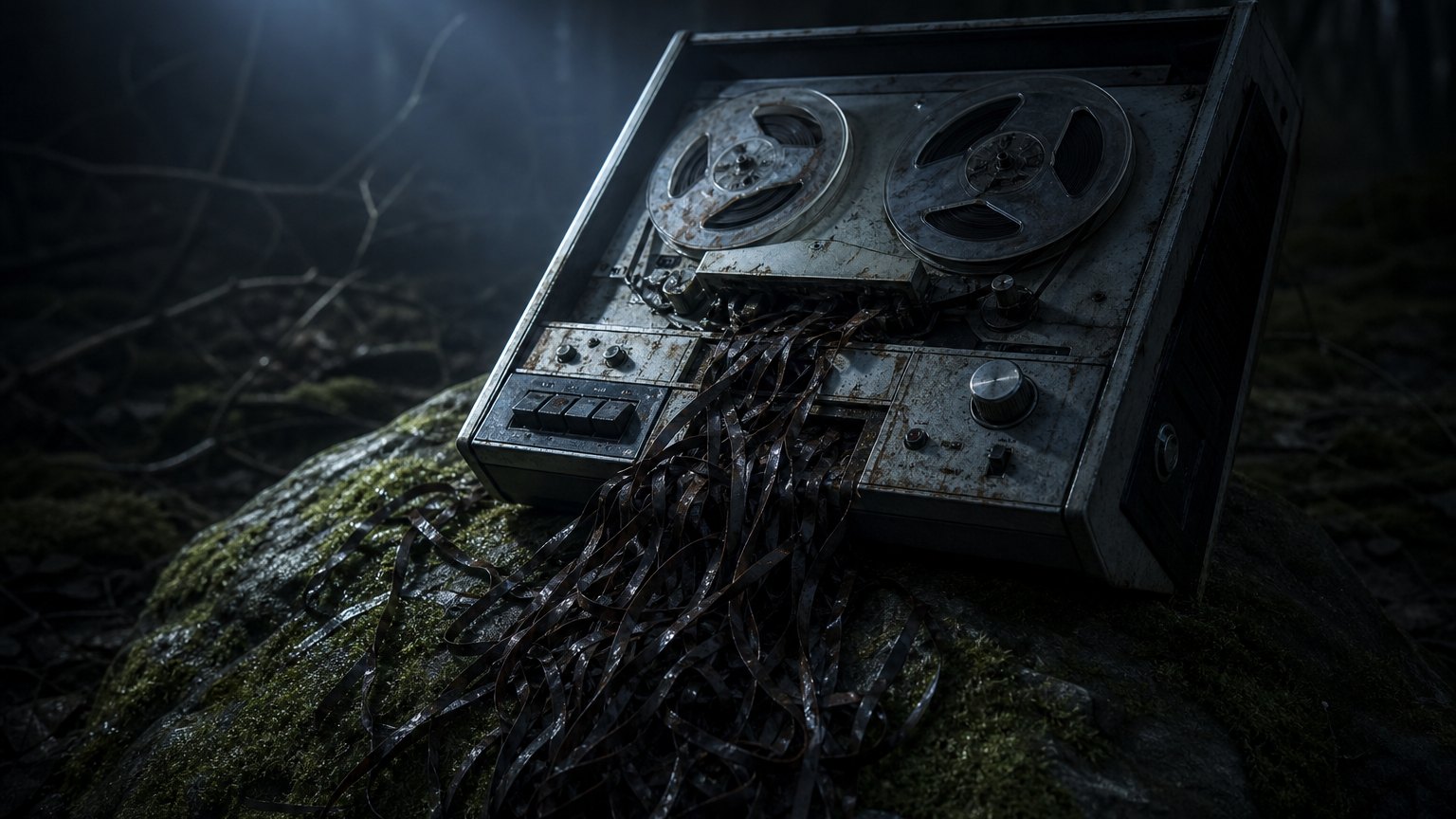
Siren Head, born from the digital ether as a creature of pure dread, operates without a voice, relying instead on the playback of other people's screams. This is a potent metaphor for the way horror often treats its female victims: as soundboards for male terror, as objects to be witnessed rather than subjects to be heard. When a studio like Warner Bros. steps in, there is a historical weight to that decision. For decades, the genre has been dominated by male directors and writers who view women primarily as victims to be saved or sacrificed. The involvement of Cregger and Duffield, both accomplished male filmmakers, raises immediate questions about perspective. Will Siren Head be a monster to be slain by a masculine hero, or will it be a manifestation of a systemic violence that has long silenced women?
Survival is Not a Spectacle
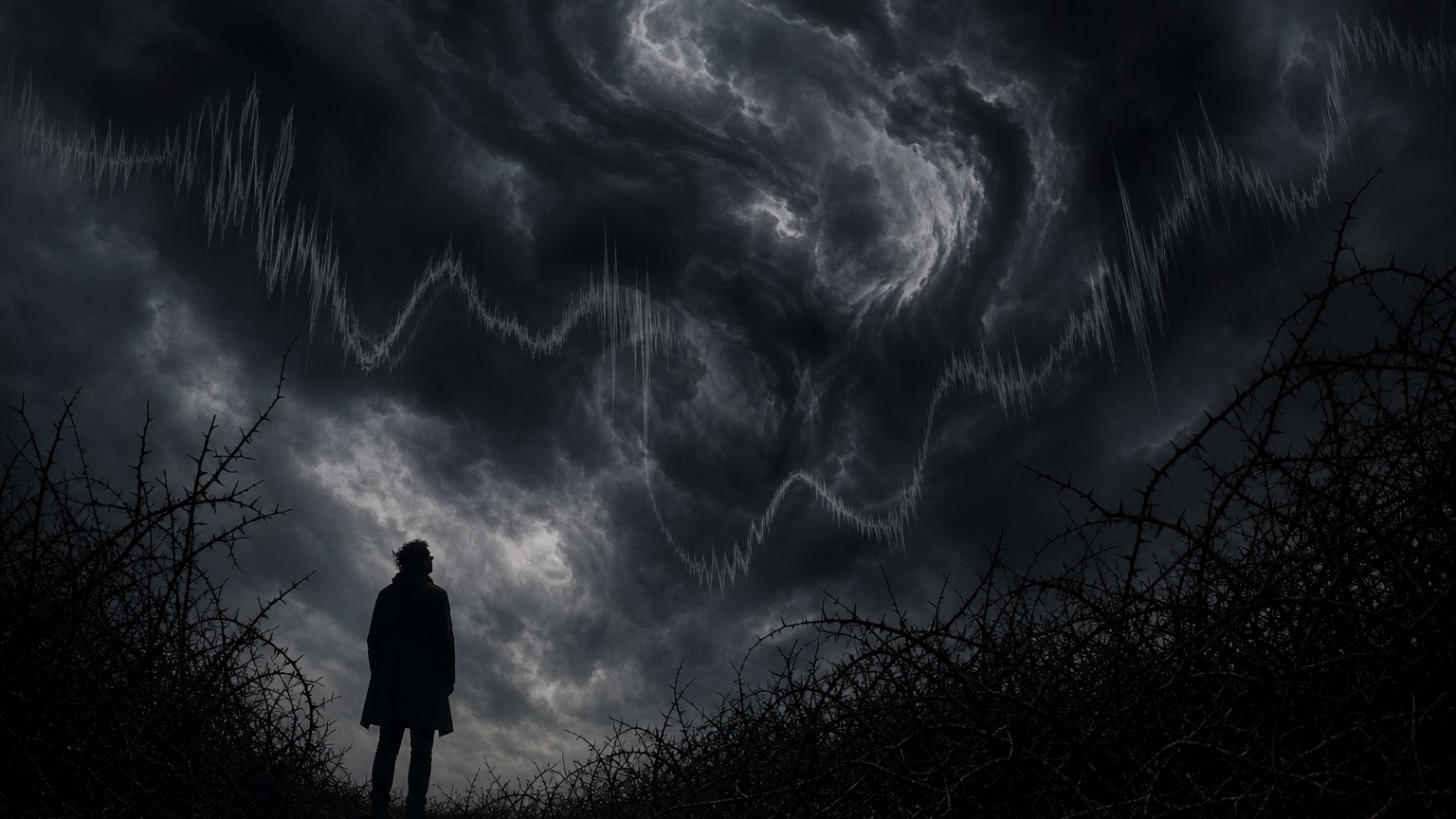
We are tired of being the final girls who only exist to die beautifully. We want narratives where our survival is not an accident, but a strategy. Where our fear is not a plot device, but a valid response to a hostile world. The acquisition of these rights is a moment of opportunity, but also of risk. If this film follows the traditional mold, Siren Head will be just another obstacle in a path paved by male trauma. But if it leans into the cultural anxiety that the meme originally tapped into, it could become something far more resonant. The fear of being watched, the fear of being trapped, the fear of a voice that mimics your own—these are not just horror tropes. They are lived experiences for many of us navigating a society that often feels like it is broadcasting our worst fears back at us.
A Call for Authentic Voices
As we wait to see what Duffield and Cregger will do with this property, we must hold them accountable. The horror community, especially the women and survivors within it, has been the lifeblood of the genre's resurgence. We discuss, we analyze, and we keep the conversation alive. We deserve more than a rehash of old fears. We deserve a Siren Head that reflects the complexity of our own voices. Let us hope that in adapting this silent monster, the filmmakers remember that the most terrifying sound is not a scream, but the silence that follows when no one is listening. We are watching. And we are not just waiting to be saved.
Comments (9)