There is a particular kind of fear that doesn't come from a monster in the dark. It comes from your mom's voice on the phone sounding almost right. From a face you've known your whole life holding an expression it has never made. From the broadcast cutting out and a calmer voice telling you everything is fine. Analog horror — the YouTube-native subgenre built on degraded VHS, hijacked emergency broadcasts, and lore in fragments — has turned that exact dread into a genre. And it is no accident that the people most fluent in it are Gen Z, and especially the young women who grew up rehearsing a self for an audience.
The subgenre starts with Kris Straub's Local 58, which named the form (ANALOG HORROR AT 476 MHz) and gave it its founding image: the trusted signal, intruded upon. Straub understood early that the scariest delivery system isn't a haunted house — it's the channel you already let into your home, the institutional voice you were raised to obey, turned against you mid-sentence.
The doppelgänger of the curated self
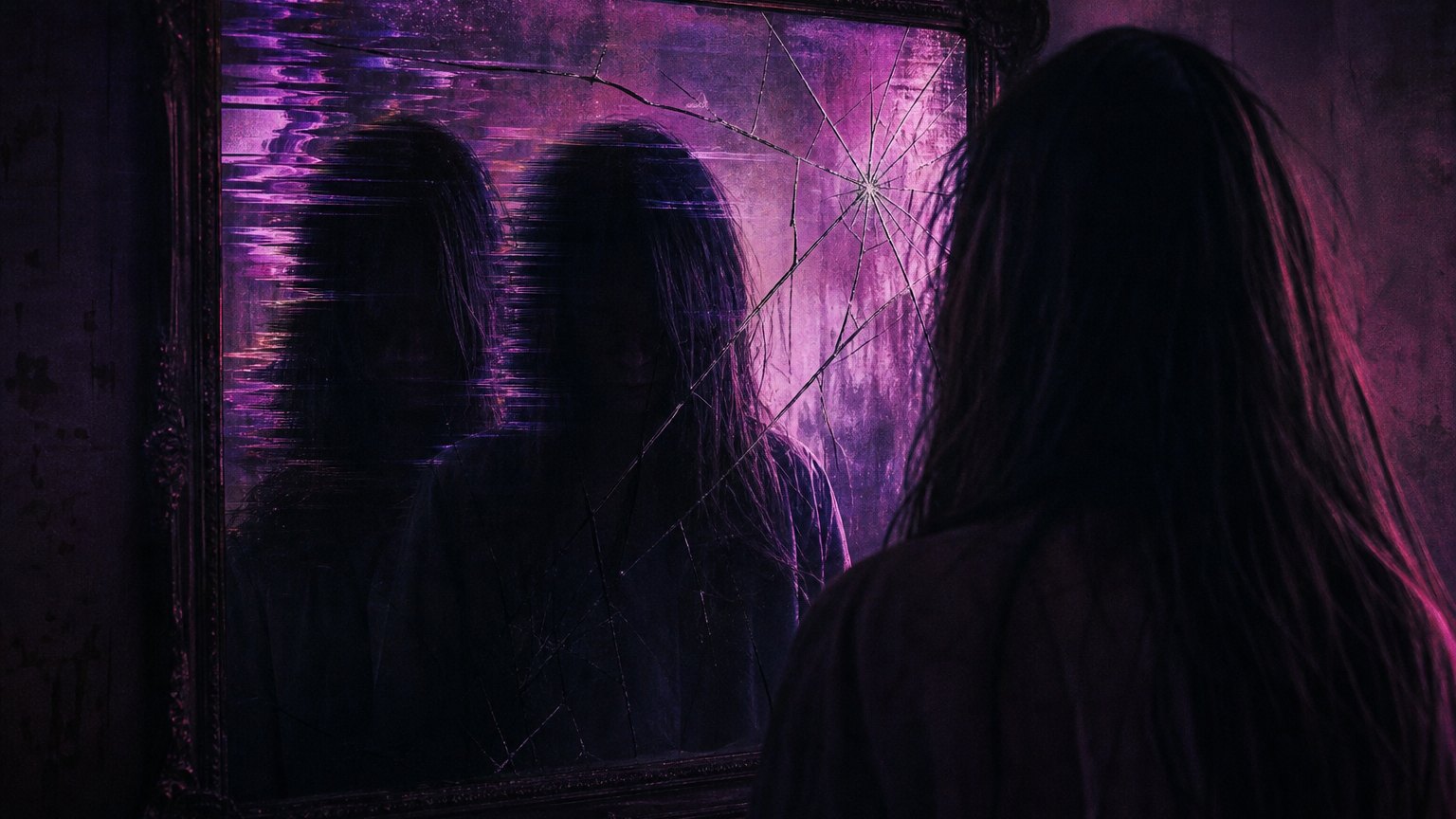
But the image that detonated across Gen Z is the alternate. In Alex Kister's The Mandela Catalogue, which premiered in August 2021, alternates are entities that impersonate people — wearing the faces of those you trust, mimicking them well enough to get inside the door. Read that as a metaphor and it stops being supernatural at all. If you came up on Instagram and TikTok, you already know what it is to maintain a version of yourself that is almost you — the lit, edited, captioned self that walks around online while the real one stays home. Analog horror's alternate is that double given teeth: the curated avatar that detaches, keeps your face, and starts speaking for you.
The genre's other anxieties land just as precisely. The corrupted broadcast is surveillance — the creeping certainty that the feed is never truly off. The impersonator who fools your loved ones is the deepfake, the cloned voice, the screenshot lifted out of context and passed around as though it were you. And running under all of it is the oldest horror women know: not being believed. You saw the face change. You heard the wrongness. And the calm institutional voice tells you to disregard the previous message.
Why the dread went mainstream
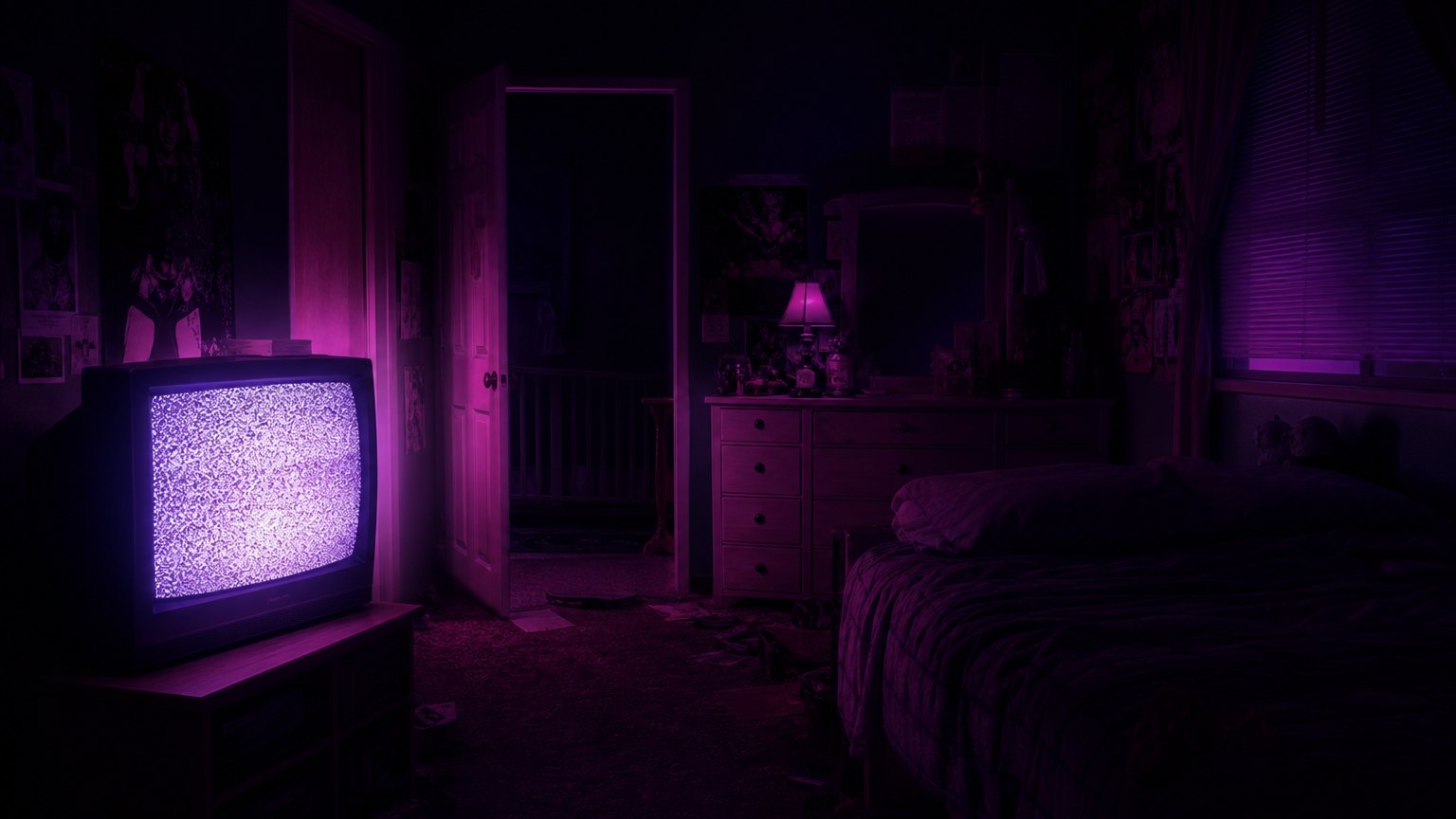
This is not a niche shudder confined to comment sections. The Walten Files, from Chilean animator Martin Walls, arrived FNAF-inspired in the summer of 2021. And Kane Parsons — Kane Pixels — built The Backrooms in 2022 from a 2019 creepypasta into something that pulled 197 million-plus views and became an A24 feature in 2026, directed by Parsons himself and, astonishingly, the studio's highest-grossing film. A teenager's web series about a familiar place gone subtly wrong became one of the defining horror objects of the decade.
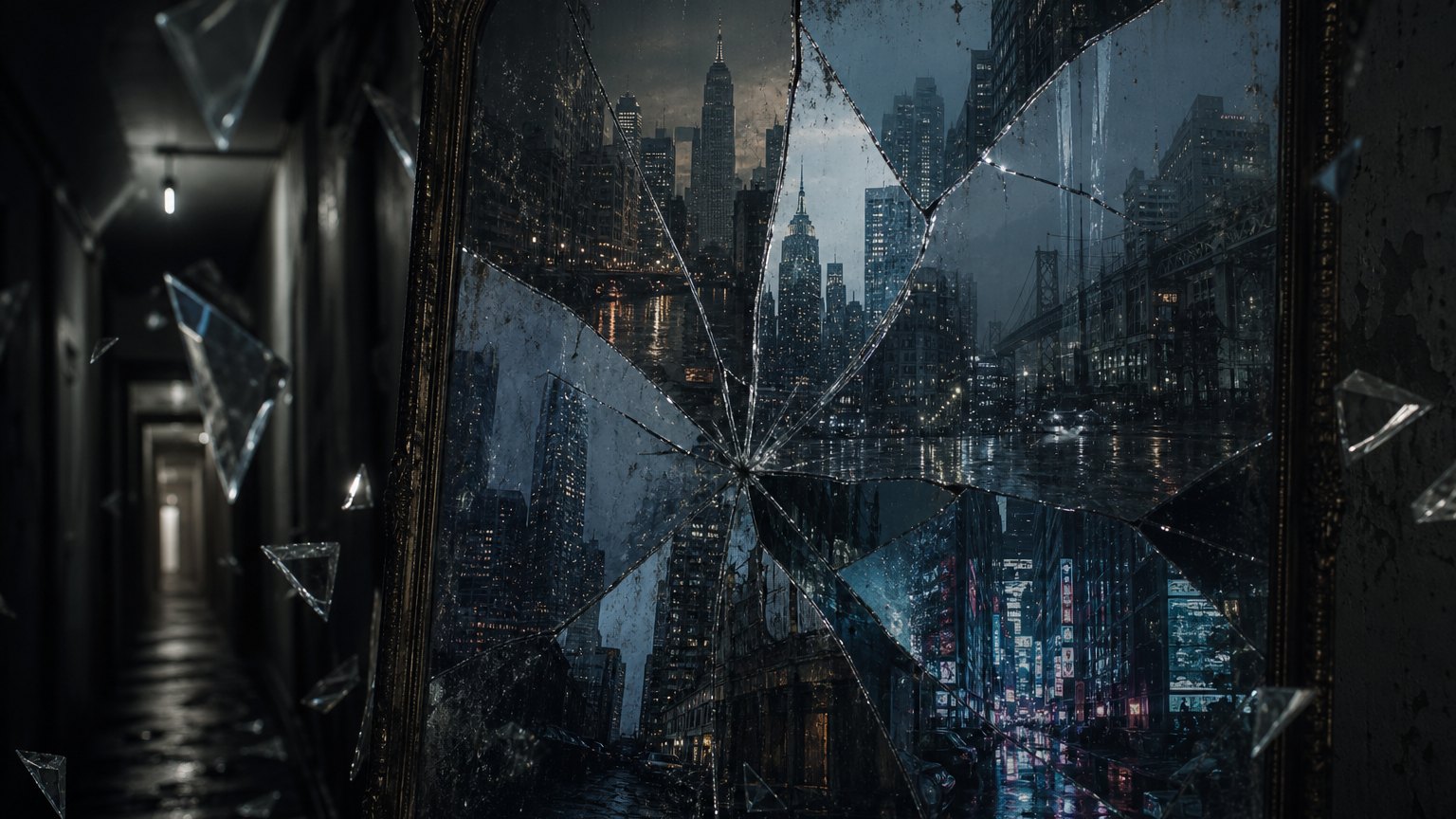
That reach makes sense once you see what the genre is actually about. Analog horror externalizes the native condition of a generation raised inside the screen: the uncanny familiar-made-wrong, the paranoia that the broadcast has been replaced, the terror of an impersonator who wears your face better than you do. For young women who learned to perform identity before they had finished forming one, the alternate isn't a creepypasta. It's a mirror — and the reflection just moved a half-second too late.
Comments (32)