
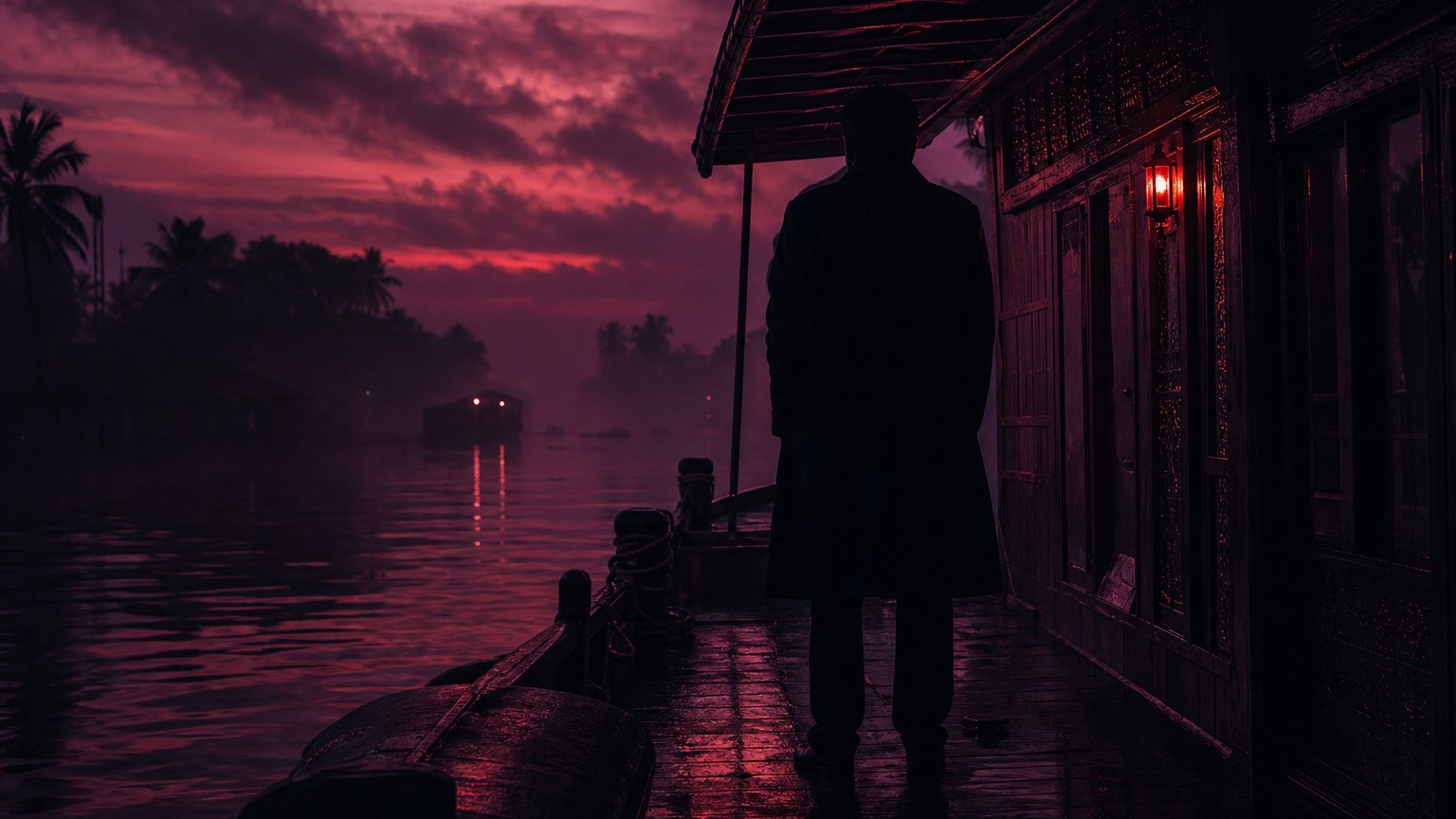
Apple TV's "Cape Fear," which premiered June 5, 2026, comes loaded with pedigree. Javier Bardem plays Max Cady. Amy Adams and Patrick Wilson are the Bowdens. Nick Antosca runs the show, with Martin Scorsese and Steven Spielberg among the executive producers. Across ten episodes, the series stretches a story we think we know into something slower, deeper, and far more interested in the people on the receiving end of the terror.
And that's where this version earns its existence. Because the most radical choice "Cape Fear" makes isn't casting Bardem as a magnetic predator, it's refusing to let him be the protagonist.
The Final Family
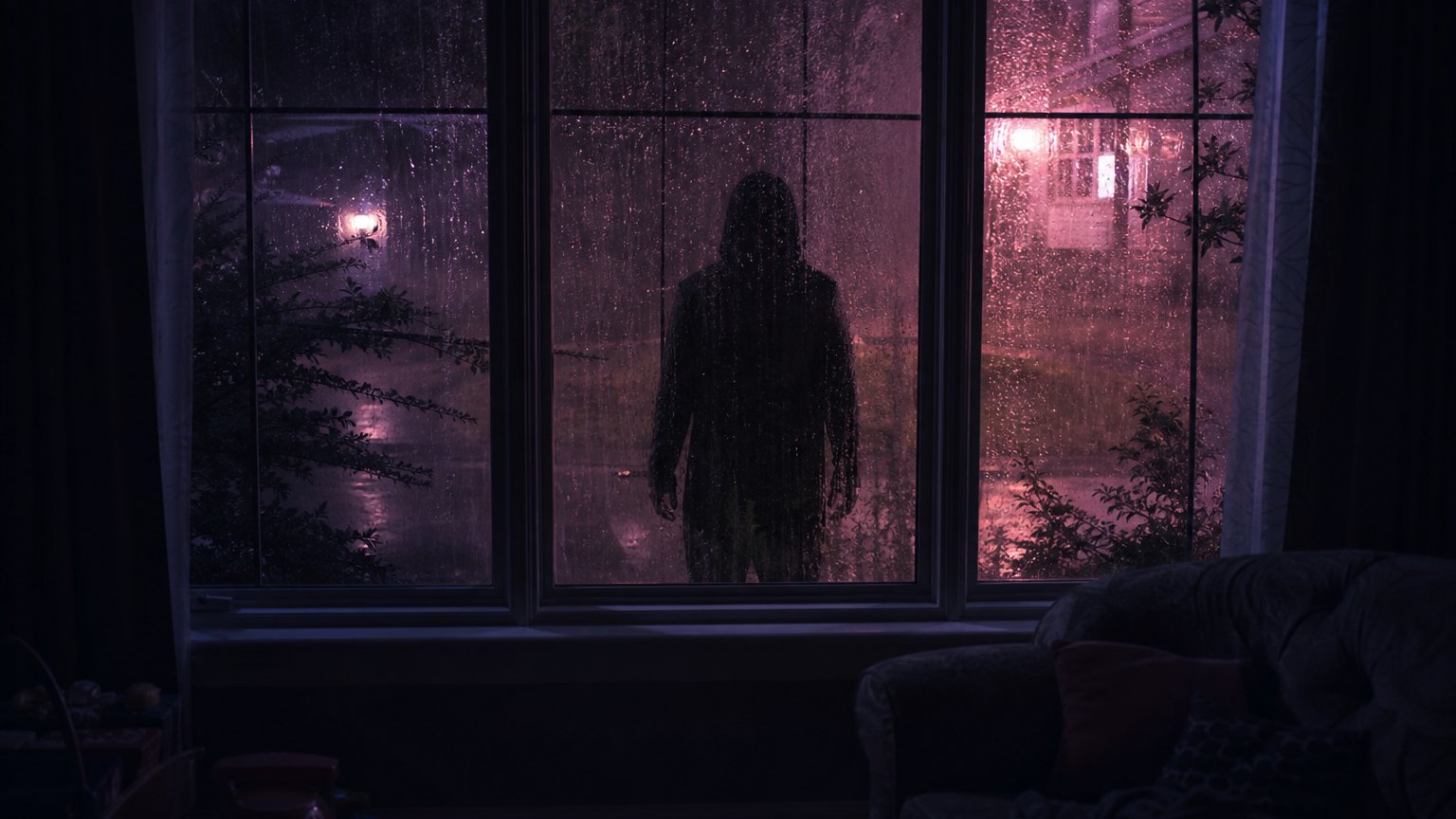
We talk constantly about the Final Girl, the woman left standing when the credits roll. "Cape Fear" gives us something we see far less often: the Final Family, and a woman at the center of it who is neither victim nor bystander but the load-bearing wall of the entire household. Amy Adams' Anna Bowden is the show's true subject. The series lives in her vigilance, her exhaustion, her calculation, the way a mother metabolizes a threat that the systems around her keep failing to take seriously.
So many home-invasion and stalker narratives treat the terrorized family as scenery, a set of bodies for the antagonist to move through. Antosca's version refuses that. It gives Anna interiority. It lets us sit with the specific dread of a woman who knows something is wrong long before anyone with authority will believe her, the all-too-familiar horror of being right and being dismissed at the same time.

Bardem is genuinely frightening, and the show is smart enough not to make him a cartoon. But the camera keeps returning to Adams, and that's the tell. The fear isn't "what will this man do?" so much as "how much will this woman have to become to protect what's hers?" Over ten episodes, we watch Anna shed the assumption that the rules will save her family and step into the unglamorous, ferocious work of saving them herself.
The series isn't flawless. Ten episodes is a lot of runway, and the pacing occasionally lingers where a tighter cut would strike. The men in the writers' room can't quite resist a few beats that frame Anna's strength through her relationship to her husband and daughter rather than as her own. But these are quibbles against a genuine accomplishment: a prestige horror-thriller that understands the most interesting person in a stalking story is rarely the stalker.
What lingers after the finale isn't Cady's menace. It's Adams' face in the quiet moments, doing the arithmetic of survival. "Cape Fear" remembers that terror is something done to people, and it has the discipline to stay with the woman holding the family together rather than the man trying to tear it apart. That choice is the whole review. It's terrifying, it's humane, and it's hers.

Comments (32)