
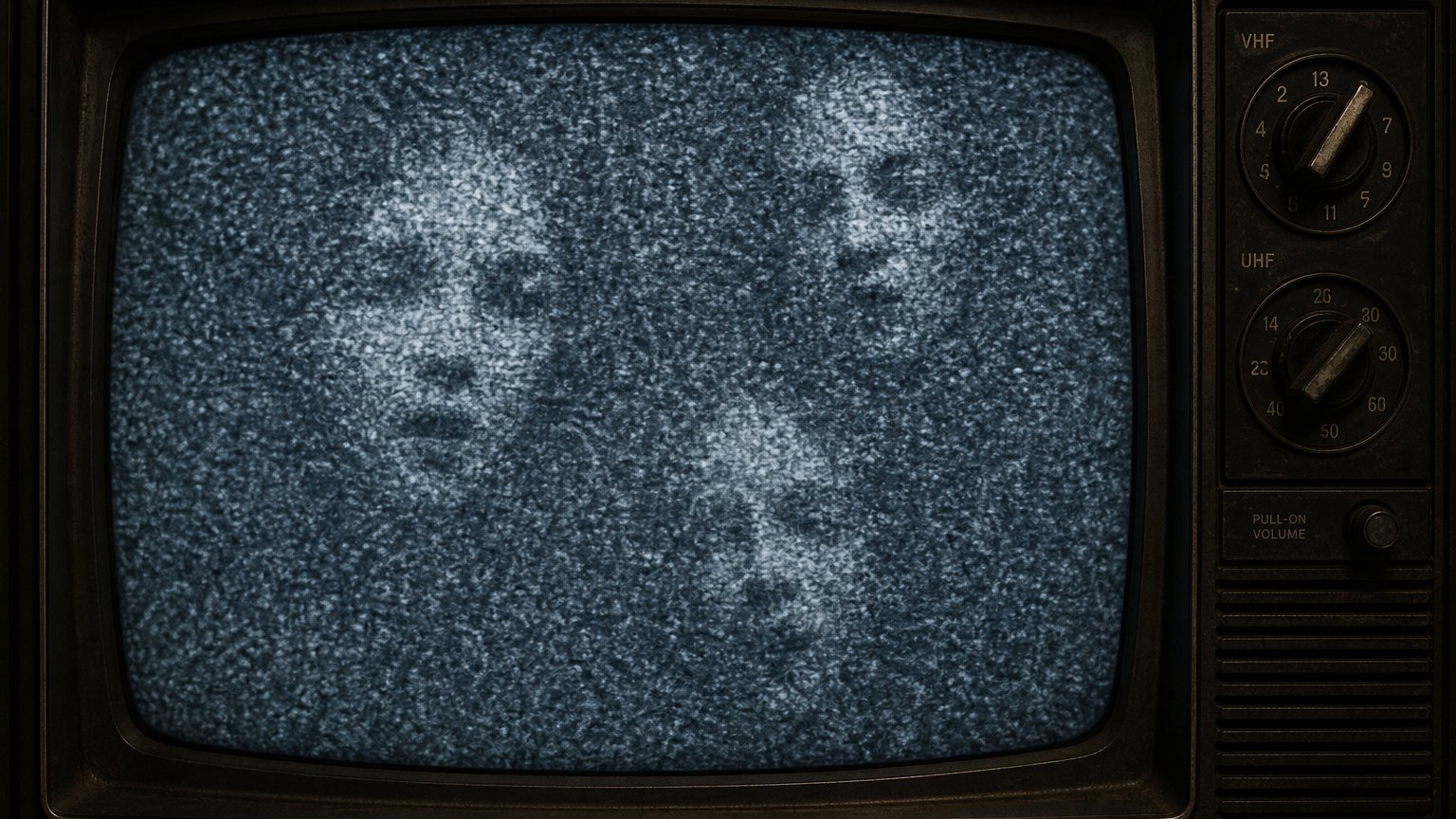
The announcement that Steven Spielberg is producing a feature film adaptation of The Mandela Catalogue for Amazon MGM Studios feels like a seismic shift in the horror landscape, but it is also a moment that demands we look closer at the mechanics of fear itself. When a titan of mainstream cinema like Spielberg steps into the arena of analog horror—a genre born from the liminal spaces of early internet culture and VHS degradation—we are forced to ask who gets to own the narrative of trauma. The rights were secured following a competitive bidding war among eleven studios, a detail that underscores the commercial viability of digital-native terror, yet the creative soul of the project remains with series creator Alex Kister, who will direct and co-write the screenplay with Tyler Clifton.
The Architecture of Anxiety
For years, women and marginalized communities have used horror to process the visceral reality of being watched, hunted, or erased. The Mandela Catalogue taps into this deep-seated anxiety, particularly the fear of identity theft and the uncanny valley of mimicry. These are not abstract concepts; they are metaphors for the survival strategies many women employ daily. The "alternate" entities in the series do not just kill; they replace. They steal faces. They mimic voices. This is the ultimate violation of bodily autonomy, a theme that resonates profoundly with survivors of gaslighting and systemic erasure. By bringing this story to a wider audience through Spielberg’s production, the underlying feminist critique of identity preservation becomes impossible to ignore.
From Niche to Mainstream
While the involvement of a legacy director might seem like a dilution of the raw, grassroots aesthetic of the original web series, it also offers a platform for Alex Kister’s vision to reach those who might not otherwise seek out analog horror. The announcement, published on July 2, 2026, marks a convergence of old Hollywood power structures and new digital storytelling. However, the true victory here is that the creative control remains with the original creator. Kister and Clifton are writing the screenplay, ensuring that the specific, chilling tone that made the series a cultural phenomenon is preserved. This is not a remake; it is an adaptation that honors the source material’s roots in isolation and technological dread.
Why This Matters Now
In an era where digital identities are increasingly fragile, the horror of The Mandela Catalogue feels less like fiction and more like a warning. The film’s transition to the big screen invites a collective examination of our relationship with technology and the self. As we await the film, we must remember that horror has always been a space for women to scream, to survive, and to reclaim their narratives. Spielberg’s involvement may bring the spotlight, but Kister’s direction ensures the story remains true to its underground, survivalist heart. This is not just a movie about monsters; it is a movie about the resilience of the human spirit when faced with the loss of self.
Comments (4)