
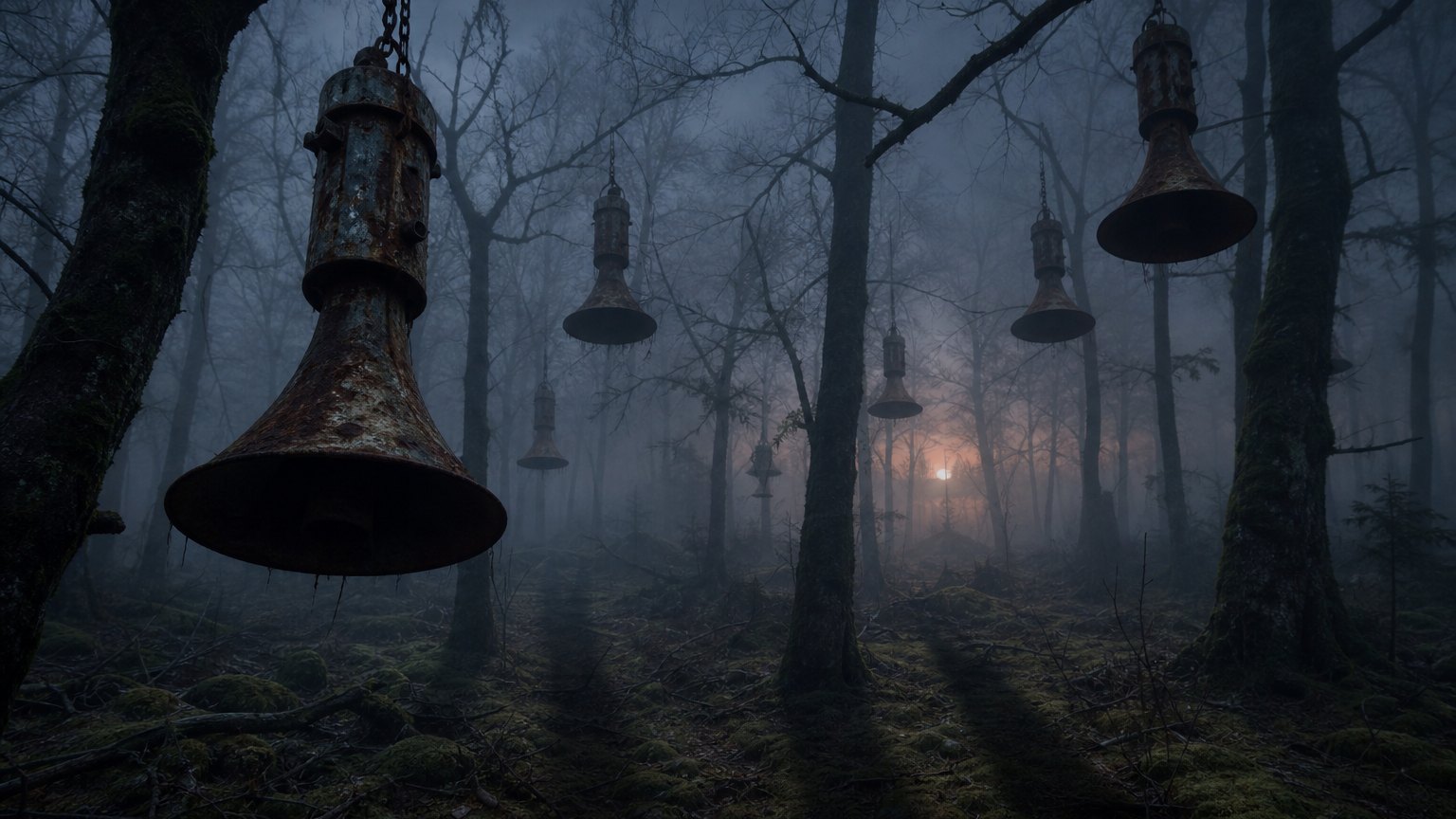
Warner Bros. has officially acquired the rights to adapt the viral internet sensation Siren Head into a feature film, signaling another attempt to monetize the uncanny valley of digital folklore. Brian Duffield is set to direct the project, with Zach Cregger, the mind behind the recently released Weapons, co-writing the screenplay. While the industry buzzes about the next big monster franchise, we must look past the marketing hype and ask: who is this horror actually for, and who is it protecting?
The Anatomy of Fear
Siren Head began as a simple piece of digital art by Trevor Henderson, depicting a tall, emaciated figure with sirens for a head. It became a staple of creepypasta lore, tapping into a primal, specific anxiety: the fear of being hunted in the woods, where familiar sounds are weaponized against you. For many survivors of violence, the woods are not a place of mystery, but a site of vulnerability. The sound of a siren—usually a symbol of help—is twisted into a lure. This inversion of safety mechanisms is potent, yet it is often stripped of its context in mainstream adaptations that prioritize spectacle over substance.

Directing Through a Survivor’s Lens
With Brian Duffield at the helm, there is an opportunity to move beyond the generic "slasher in the woods" template. Duffield has shown an aptitude for genre films that balance tension with character, but the direction here is crucial. If the film focuses solely on the monster’s physical threat, it risks reducing the horror to a simple cat-and-mouse game. However, if the narrative centers on the psychological toll of being hunted, particularly on women and marginalized groups who have long been the primary victims in horror cinema, the film could resonate on a deeper, more culturally significant level.
Zach Cregger’s involvement adds another layer of intrigue. His work in Weapons explores community and collective trauma, themes that could reframe Siren Head from a solitary monster story into a commentary on societal breakdown. Can the horror be not just the monster, but the isolation that allows it to thrive? This is where the feminist lens becomes essential. Horror has historically used female survivors as plot devices, only to punish them for their resilience. A modern adaptation must subvert this by making the protagonist’s survival a triumph of agency rather than a stroke of luck.
More Than Just a Monster
The acquisition of Siren Head rights is a business decision, but it is also a cultural moment. Audiences are weary of hollow remakes and soulless sequels. They want stories that reflect their fears and validate their experiences. By centering the narrative on the human element—the terror, the resilience, and the community—we can elevate Siren Head from a meme to a meaningful piece of horror cinema. The siren calls out, but it is up to us to decide who answers, and why. In the hands of thoughtful creators, this monster can become a mirror for our own societal anxieties, reflecting the very real dangers that lurk in the shadows of our daily lives.

Comments (4)