
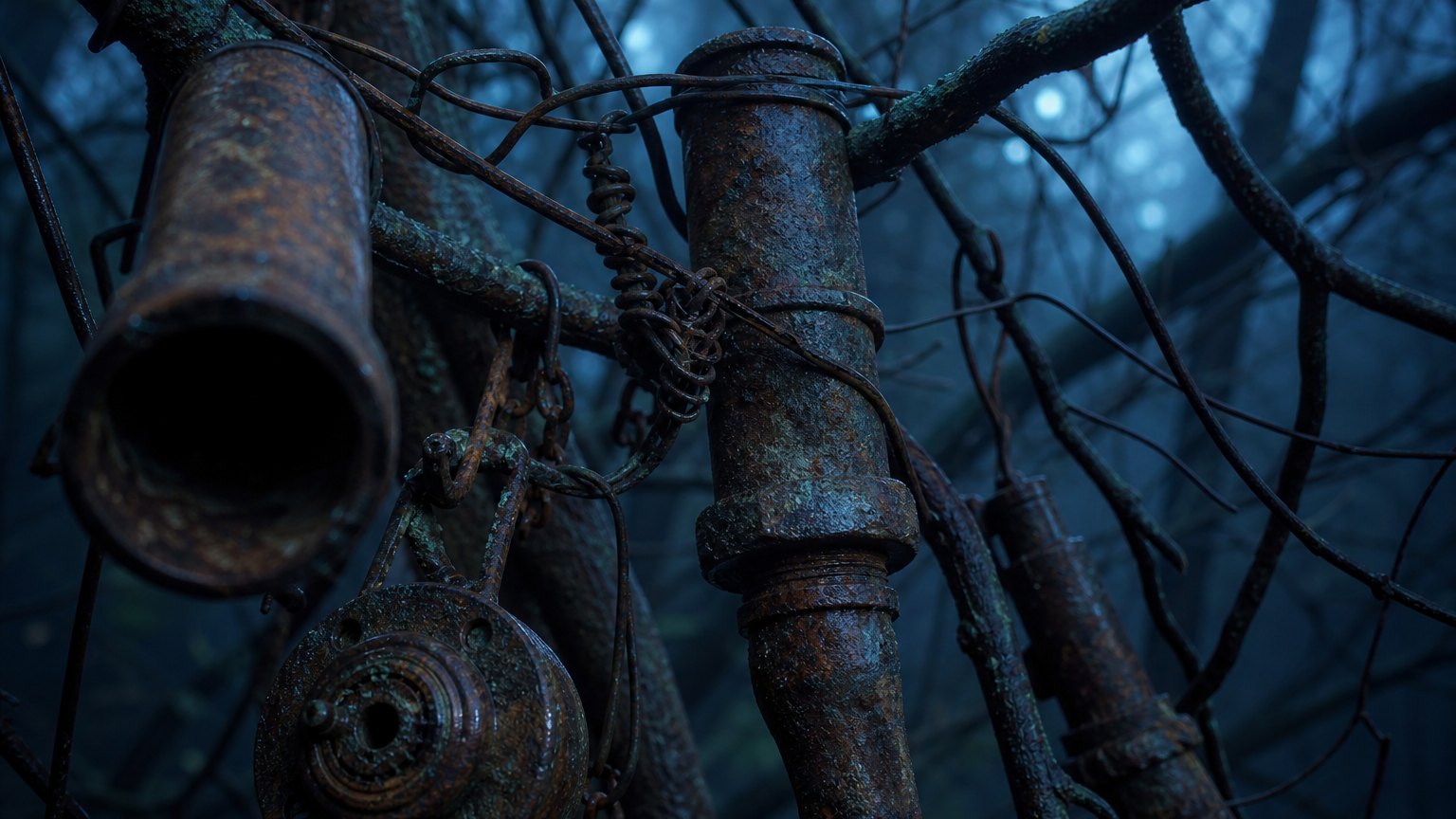
Warner Bros. has officially stepped into the shadows to acquire the film rights to the internet legend 'Siren Head'. This acquisition reportedly involved the studio winning a competitive bidding war, signaling a significant shift in how major studios view digital folklore. With Brian Duffield set to direct and Zach Cregger, known for the film 'Weapons', co-writing the screenplay, the project is poised to bring Trevor Henderson’s original creature to the big screen. For horror fans, this is news; for women and survivors navigating a landscape often defined by male-centric terror, it is a moment to pause and examine the lens through which this fear is being translated.
The Architecture of Fear
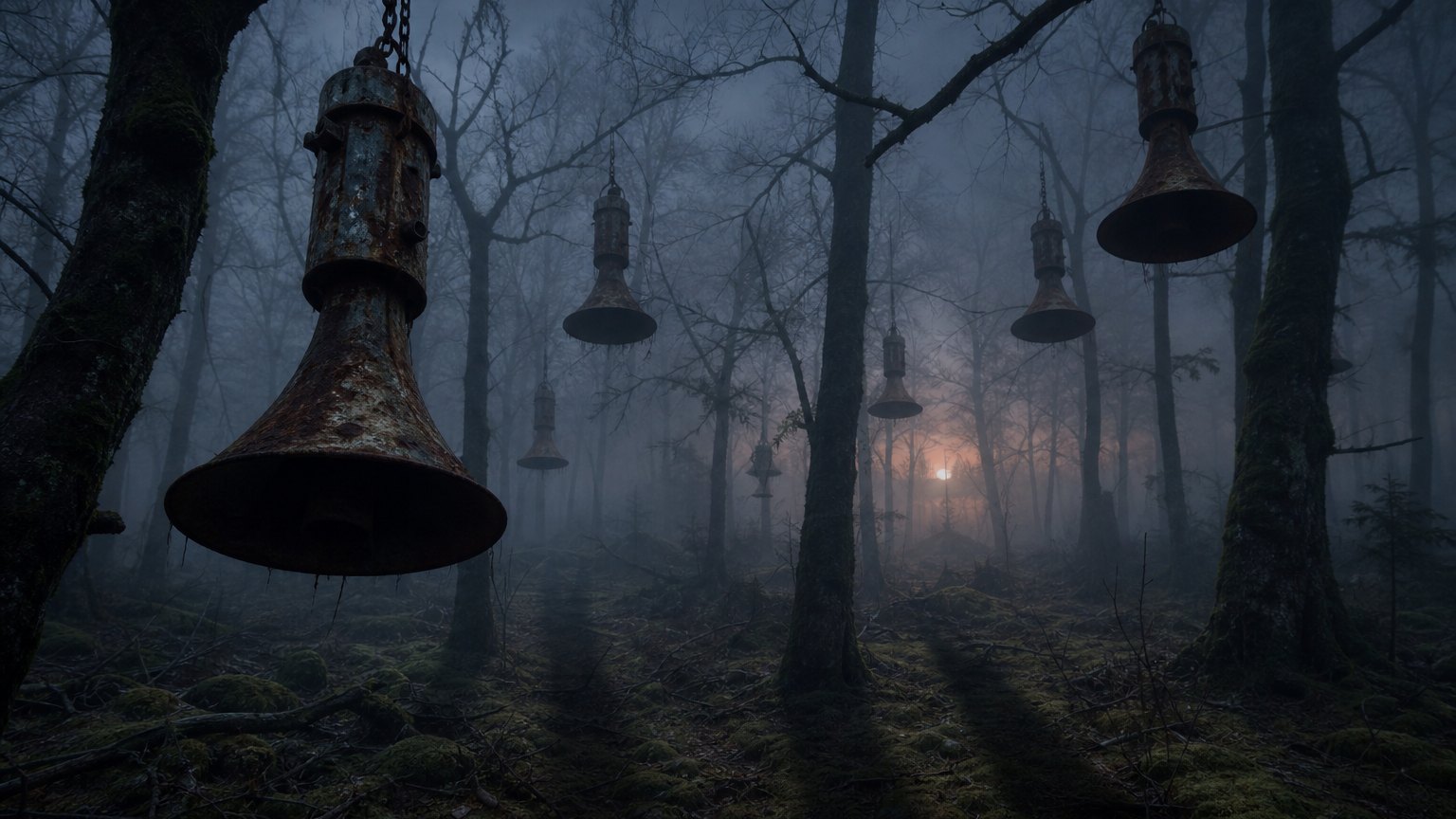
Siren Head is not merely a monster; it is an auditory nightmare. The creature, a towering construct of rusted metal and sirens, represents a violation of safety. It turns the very signals we rely on for warning—sirens, emergency broadcasts—into tools of predation. This inversion of safety mechanisms resonates deeply with the lived experiences of women who are taught to hyper-vigilance. We know the sound of danger before we see it. We know that a siren can mean help, or it can mean a threat is closing in. By adapting this specific entity, Duffield and Cregger have a unique opportunity to explore the psychology of being hunted in plain sight.
Who Controls the Narrative?
Zach Cregger’s involvement is particularly intriguing. His work in 'Weapons' demonstrated a capacity for exploring communal trauma and the breakdown of social safety nets. If Siren Head is approached with the same attention to the social fabric of its victims, it could transcend the typical slasher trope. However, the history of horror adaptations shows a recurring pattern: the female victim is often reduced to a plot device for male heroism or male trauma. We must hope this adaptation resists the urge to center the male gaze. The terror of Siren Head lies in its silence, its ability to mimic, and its isolation of the victim. These are themes that have long been central to female-led horror narratives, from The Babadook to Hereditary.
A Cultural Mirror
The bidding war suggests that Warner Bros. sees value in the IP’s cultural footprint. Siren Head thrives in the digital age, spreading through memes and creepypasta. It is a modern myth. As we move toward a cinematic adaptation, the question remains whether the film will honor the eerie, ambiguous horror of the original art or sanitize it for mass appeal. For survivors, horror is often a space to process fear in a controlled environment. We need stories that respect the complexity of that fear. If Duffield and Cregger can create a narrative that centers the resilience of those who survive the encounter, rather than just the spectacle of the monster, this could be a landmark moment for horror cinema. Until then, we watch with cautious hope, listening for the sirens in the distance.

Comments (4)